
Transform Your Play Area with Football Grass: Unleashing the Benefits for Children and Communities
2025-12-03


Transform Your Play Area: The Benefits of Football Grass
Introduction to Football Grass in Play Areas
Creating an engaging and safe play area for children and communities is essential. One innovative solution gaining traction is the use of football grass. This synthetic turf offers numerous advantages that elevate play experiences while ensuring safety and durability. In this article, we will
Transform Your Play Area: The Benefits of Football Grass
Introduction to Football Grass in Play Areas
Creating an engaging and safe play area for children and communities is essential. One innovative solution gaining traction is the use of football grass. This synthetic turf offers numerous advantages that elevate play experiences while ensuring safety and durability. In this article, we will explore the multifaceted benefits of football grass, how it transforms play areas, and why it should be your go-to choice for athletic and recreational spaces.
Understanding Football Grass: What Is It?
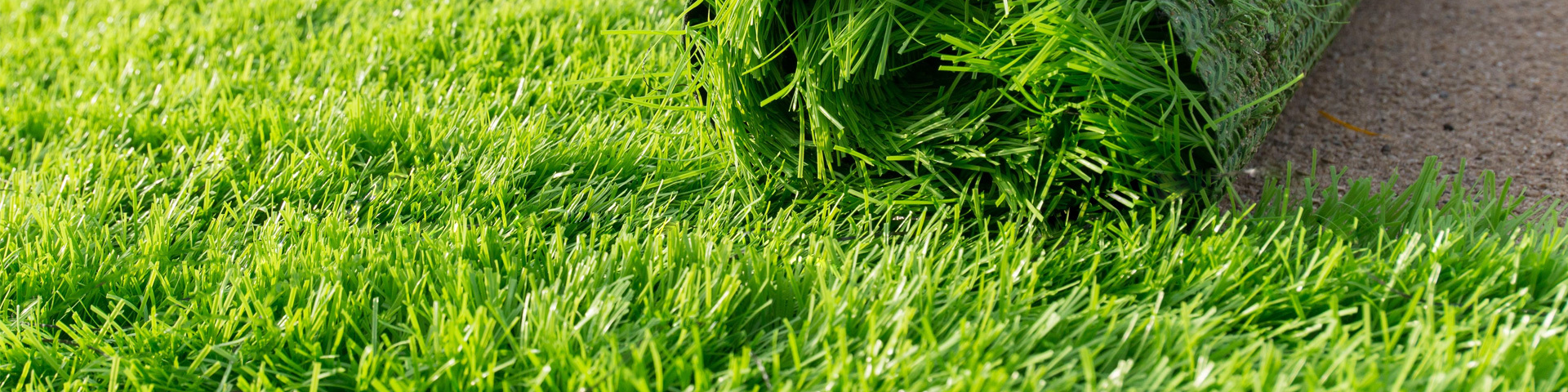
Football grass, often referred to as artificial turf, is a synthetic surface designed to mimic natural grass. It consists of plastic fibers that provide a realistic look and feel while offering enhanced durability. This type of turf is specifically engineered for various sports, including football, soccer, and more, making it an ideal choice for play areas.
The Composition of Football Grass
Football grass is typically composed of polyethylene or polypropylene fibers, designed to withstand the rigors of athletic activities. Beneath the surface, a cushioning layer made of rubber or foam provides shock absorption, which is crucial for preventing injuries during play. This advanced composition ensures that the grass remains resilient and visually appealing for years.
Benefits of Football Grass in Play Areas
The advantages of installing football grass in play areas extend far beyond mere aesthetics. Here are some of the key benefits:
1. Enhanced Safety for Children
Safety is a paramount concern for any play area. Football grass provides a soft landing surface, reducing the risk of injuries from falls. The cushioning effect of the underlying materials absorbs impact, making it safer than traditional grass or hard surfaces. Furthermore, football grass is free from hazardous chemicals and pesticides, ensuring a safer environment for children.
2. Low Maintenance Requirements
One of the most significant benefits of football grass is its low maintenance needs. Unlike natural grass, which requires regular mowing, watering, and fertilization, synthetic turf requires minimal upkeep. Occasional cleaning and infrequent brushing are all that's necessary to keep the surface in top condition, allowing more time for play rather than maintenance.
3. Year-Round Playability
Football grass allows for year-round play, regardless of weather conditions. It drains water efficiently, preventing muddy patches and ensuring that the play area remains accessible even after heavy rainfall. This all-weather capability ensures that children can enjoy safe play, no matter the season.
4. Cost-Effectiveness Over Time
While the initial installation cost of football grass can be higher than natural grass, the long-term savings are substantial. By eliminating the need for ongoing maintenance, water usage, and reseeding, football grass becomes a cost-effective solution over time. Additionally, the durability of the material means that it can last for 10 to 15 years or more with proper care.
5. Aesthetic Appeal and Customization
Football grass comes in various colors and styles, allowing for customization to suit any play area design. Whether you want a vibrant green field for soccer or a multi-colored playground, the options are endless. This versatility enhances the visual appeal of the space, making it more inviting for children and families.
Environmental Considerations of Football Grass
While football grass is an excellent choice for play areas, it's essential to consider its environmental impact. Here, we delve into some of the key aspects:
1. Water Conservation
In regions where water scarcity is a concern, football grass offers a sustainable solution. Its installation significantly reduces water consumption, as it requires no irrigation. This conservation effort aligns with global initiatives to preserve water resources.
2. Recyclability of Materials
Modern football grass products are often made from recyclable materials, contributing to a circular economy. At the end of its life cycle, synthetic turf can be repurposed or recycled, reducing landfill waste.
3. Reduction in Pesticide Use
The use of football grass eliminates the need for chemical fertilizers and pesticides that are typically applied to natural grass. This reduction benefits local ecosystems and promotes a healthier environment for children to play in.
Installation Process of Football Grass
Installing football grass requires careful planning and execution to ensure the best results. Here’s a step-by-step overview of the installation process:
1. Site Assessment and Preparation
The first step involves assessing the site to determine suitability. Factors such as drainage, ground conditions, and existing vegetation should be evaluated. The area should be cleared of any debris and leveled to create a smooth base.
2. Base Layer Installation
A sturdy base layer is essential for stability and drainage. Typically, a mixture of crushed stone and sand is used to create a level surface that facilitates proper water drainage. This layer should be compacted to prevent shifting over time.
3. Turf Installation
Once the base is prepared, the football grass can be rolled out and cut to fit the designated area. The seams should be carefully joined using adhesive or specialized stitching techniques to ensure a seamless finish.
4. Infill Application
Infill materials, often composed of rubber or sand, are added to the surface to enhance cushioning and improve the feel of the turf. This layer helps keep the fibers upright, providing a more natural playing experience.
5. Final Touches and Maintenance
After installation, a thorough inspection should be conducted. Regular maintenance, such as brushing and cleaning, will help preserve the quality and appearance of the football grass, ensuring it remains a safe and enjoyable play area for years to come.
Cost Considerations for Football Grass Installation
When considering the installation of football grass, understanding the costs involved is crucial. Here are some key factors that contribute to overall expenses:
1. Material Costs
The price of football grass can vary based on quality, type, and brand. Higher-quality products may have a greater initial cost but often provide better durability and lower maintenance needs.
2. Installation Expenses
Hiring professional installers can add to the overall cost. However, investing in experienced professionals ensures that the installation is completed correctly, maximizing the longevity and performance of the turf.
3. Long-Term Savings
While the upfront costs might seem significant, it’s essential to consider the long-term savings associated with reduced maintenance, water usage, and the need for reseeding. Over the life of the installation, these factors can lead to substantial savings.
Frequently Asked Questions (FAQs)
1. Is football grass safe for children?
Yes, football grass is designed with safety in mind. The cushioning materials used in its composition help absorb impact, minimizing the risk of injuries during play.
2. How long does football grass last?
With proper maintenance, football grass can last between 10 to 15 years or more. Its durability makes it an excellent long-term investment.
3. Can football grass be used in all climates?
Yes, football grass is suitable for various climates. It drains well, preventing water accumulation, and remains playable in different weather conditions.
4. What maintenance is required for football grass?
Maintenance involves occasional brushing to keep the fibers upright, regular cleaning to remove debris, and periodic infill replenishment to maintain cushioning.
5. How does football grass contribute to environmental sustainability?
Football grass conserves water, reduces pesticide use, and often comprises recyclable materials, making it a more sustainable option compared to natural grass.
Conclusion
Transforming your play area with football grass not only enhances safety and playability but also offers substantial long-term benefits. Its low maintenance, year-round usability, and environmental advantages make it a smart choice for parks, sports facilities, and private backyards alike. By investing in football grass, you create an inviting, safe, and enjoyable environment for children and communities, ensuring that playtime is always a delight. Embrace the change and watch as your play area becomes a hub of activity and joy, fostering community engagement and healthy play for all.
TAG:
Related News
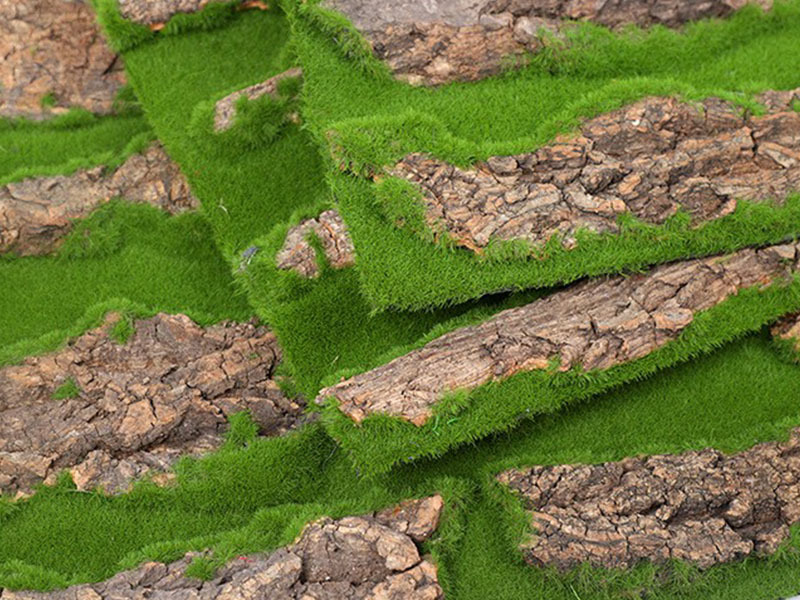
Performance advantages of simulated moss
No need for watering, pruning, or fertilization, saving labor and time costs. For example, using simulated moss walls in commercial places can reduce annual maintenance costs by 80%.
Strong weather resistance, unaffected by temperature and humidity, suitable for dry or humid environments.
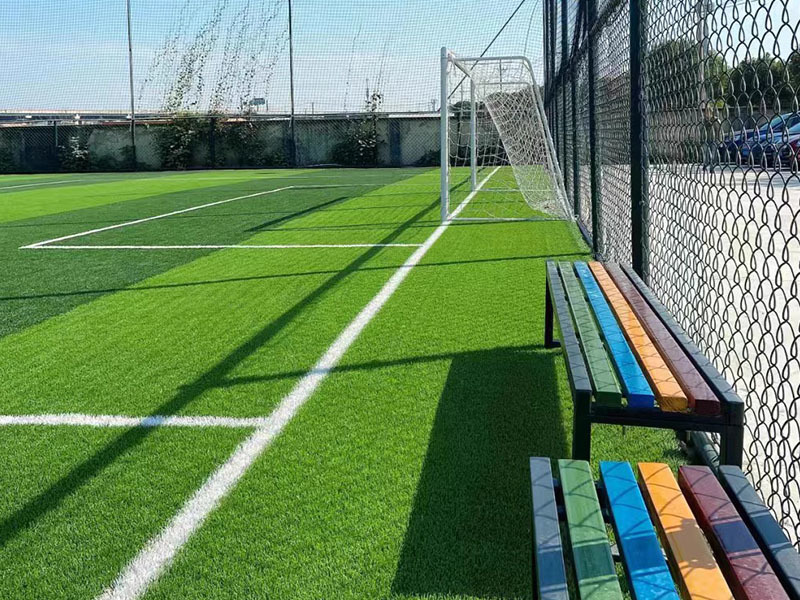
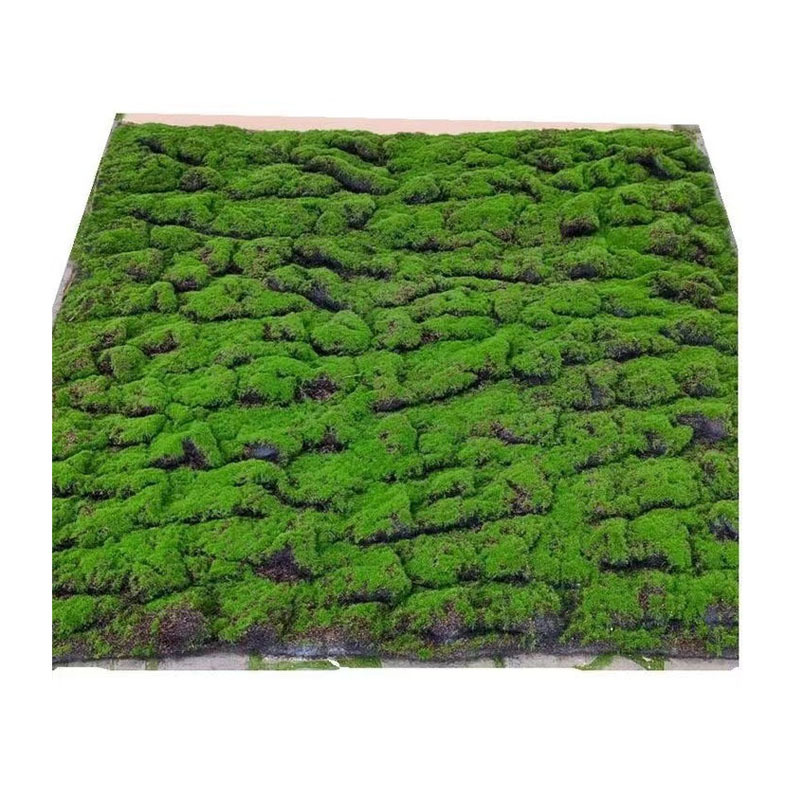


Committed to providing customers with high-quality artificial turf products and professional solutions.Covering all categories of artificial turf and artificial plants for sports, leisure and greening, we support OEM customization to meet diverse needs.