
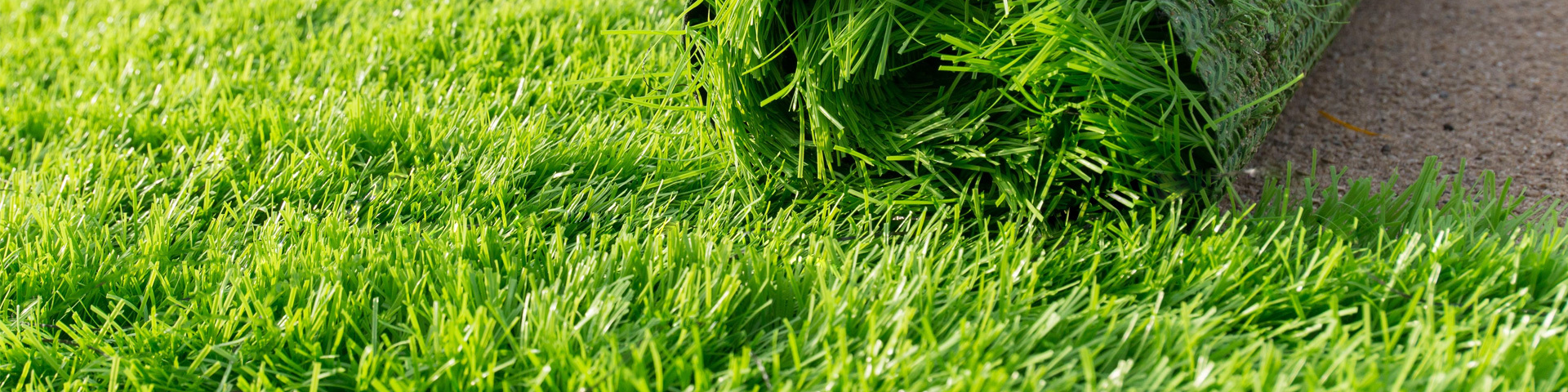
Transform Your Space: The Magic of Simulated Green Plants
2025-12-09


Transform Your Space: The Magic of Simulated Green Plants
In today's fast-paced world, creating a serene and vibrant environment has become increasingly important. One way to achieve this is through the use of simulated green plants. These charming imitations of nature not only enhance the beauty of interiors but also provide a myriad of practical benefits. This guide delves deep into the magic of simulated green plants, exploring their advantages, maintenance requirements, and how they can transform any space into a verdant oasis.
Table of Contents
- Understanding Simulated Green Plants
- Benefits of Using Simulated Green Plants
- Choosing the Right Simulated Plants for Your Space
- Creative Ways to Incorporate Simulated Plants
- Maintenance Tips for Simulated Plants
- Environmental Impact of Simulated Plants
- The Future of Simulated Greenery
- Frequently Asked Questions
- Conclusion
Understanding Simulated Green Plants
Simulated green plants, often referred to as artificial or faux plants, are crafted from a variety of materials designed to mimic the look and feel of real foliage. Unlike traditional houseplants, they require no sunlight, water, or special care, making them an ideal choice for busy individuals or those without a green thumb.
The Evolution of Simulated Greenery
Over the years, the technology and materials used to create simulated plants have significantly advanced. Early versions were often stiff and unrealistic, but modern designs feature intricate details, varying textures, and lifelike colors. Today’s simulated plants can easily fool even the most discerning eye, providing all the aesthetic benefits of real plants without the associated upkeep.
Benefits of Using Simulated Green Plants
Simulated green plants come with a plethora of advantages that can greatly enhance your living or working environment. Here, we explore some of the most significant benefits.
1. Low Maintenance
One of the primary advantages of simulated plants is their low maintenance requirements. They don’t need watering, pruning, or repotting, allowing you to enjoy the beauty of greenery without the hassle. A quick dusting or wipe down is all that’s needed to keep them looking fresh.
2. Versatility in Design
Simulated plants are incredibly versatile and can be used in various settings—homes, offices, restaurants, and hotels. They can easily adapt to different design styles, from modern minimalist to classic vintage, making them a popular choice among interior designers.
3. Allergen-Free Environment
For individuals with allergies or sensitivities to pollen and plant fragrances, simulated green plants are a fantastic alternative. They provide the visual appeal of greenery without triggering allergic reactions, ensuring a comfortable indoor environment.
4. Long-Lasting Beauty
Unlike real plants that can wilt or die, simulated plants maintain their beauty year-round. They are not affected by seasonal changes, ensuring your space remains vibrant and inviting at all times.
Choosing the Right Simulated Plants for Your Space
With a wide variety of simulated plants available, selecting the right ones for your space can seem daunting. Here are some factors to consider when making your choice.
1. Assess Your Space
Consider the size and layout of the area where you plan to place simulated plants. Large spaces may benefit from tall floor plants, while smaller nooks can be enhanced with tabletop arrangements. Always ensure that the scale of the plants complements the surrounding decor.
2. Determine the Lighting Conditions
While simulated plants don’t require light, consider the natural lighting in your space when selecting colors and types. Bright, colorful plants can enhance well-lit areas, while muted tones may work better in dim spaces.
3. Match Your Interior Design Style
Your choice of simulated plants should reflect your overall design aesthetic. For a contemporary look, opt for sleek, modern designs. If your style leans towards the rustic, consider plants that evoke a more natural feel, such as ferns or succulents.
Popular Types of Simulated Plants
Some popular choices include:
- Faux Fiddle Leaf Fig Trees
- Artificial Succulents
- Simulated Cacti
- Silk Ferns and Palms
- Realistic Flowering Plants
Creative Ways to Incorporate Simulated Plants
There are countless ways to incorporate simulated plants into your interior design. Here are some innovative ideas to inspire you.
1. Use as Centerpieces
Simulated plants can serve as stunning centerpieces for dining tables, coffee tables, or office desks. They add a touch of elegance and make any setting more inviting.
2. Create a Green Wall
Designing a green wall with simulated plants can serve as a striking focal point in any room. Mix different types of plants for a lush, layered effect that brings the outdoors inside.
3. Enhance Outdoor Spaces
Simulated plants are perfect for outdoor patios and balconies, where real plants may struggle to thrive. They can withstand varying weather conditions, ensuring your outdoor space looks vibrant all year round.
4. Incorporate into Office Spaces
Enhancing your office environment with simulated plants can boost morale and productivity. Place them in reception areas, conference rooms, or individual workspaces for a refreshing touch of nature.
Maintenance Tips for Simulated Plants
While simulated plants are low maintenance, a little care can go a long way in preserving their beauty. Here are some simple maintenance tips.
1. Regular Dusting
Dust can accumulate on simulated plants, dulling their appearance. Use a soft, dry cloth to wipe them down periodically. For stubborn dust, a damp cloth can be used, followed by a thorough drying.
2. Avoid Direct Sunlight
While simulated plants won’t fade as quickly as real ones, prolonged exposure to direct sunlight can cause them to lose their vibrancy over time. Position them in areas with indirect light to maintain their color.
3. Check for Damage
Regularly inspect your simulated plants for any signs of wear and tear, such as frayed leaves or loose stems. Addressing these issues promptly can extend the lifespan of your decorations.
Environmental Impact of Simulated Plants
The environmental impact of simulated plants is a topic worth discussing. While they don't contribute to air purification like real plants, they do offer certain ecological advantages.
1. Water Conservation
Using simulated plants helps conserve water resources that would otherwise be needed for maintaining live plants. This is particularly beneficial in regions experiencing water shortages.
2. Reduced Carbon Footprint
Simulated plants can decrease the carbon footprint associated with traditional landscaping. They eliminate the need for fertilizers, pesticides, and other chemicals, which can be harmful to the environment.
3. Longevity and Reusability
Simulated plants can last for many years without degrading, reducing the need to frequently replace them. When their aesthetic appeal diminishes, they can often be recycled or reused in creative ways.
The Future of Simulated Greenery
The future of simulated green plants looks promising, with advancements in technology paving the way for even more realistic and sustainable options. Innovations such as biodegradable materials and eco-friendly manufacturing processes are emerging, making simulated greenery an increasingly attractive option for environmentally conscious consumers.
Frequently Asked Questions
1. Are simulated plants safe for pets?
Yes, most simulated plants are made from non-toxic materials, making them safe for pets. However, it’s always good to check specific product materials for safety.
2. How do I clean simulated plants?
Cleaning simulated plants is easy. A simple dusting with a dry cloth works well. For deeper cleaning, a damp cloth can be used, followed by thorough drying.
3. Can simulated plants be used outdoors?
Yes, many simulated plants are designed for outdoor use and can withstand various weather conditions. However, it’s best to check the product specifications.
4. How long do simulated plants last?
With proper care, simulated plants can last for many years, often maintaining their vibrant appearance for a decade or more.
5. Are there eco-friendly options for simulated plants?
Yes, recent advancements have led to the development of eco-friendly simulated plants made from biodegradable materials. It’s worth researching brands that prioritize sustainability.
Conclusion
Simulated green plants are a wonderful alternative for anyone looking to infuse life into their spaces without the commitment that comes with caring for live plants. From providing aesthetic appeal to offering practical benefits such as low maintenance and allergen-free environments, the magic of simulated greenery is undeniable. By understanding their advantages, learning how to choose and incorporate them effectively, and maintaining their beauty, anyone can transform their surroundings into a lush paradise. Whether you are redesigning your home or enhancing an office, simulated green plants are a smart and stylish choice for creating vibrant and inviting spaces.
TAG:
Related News
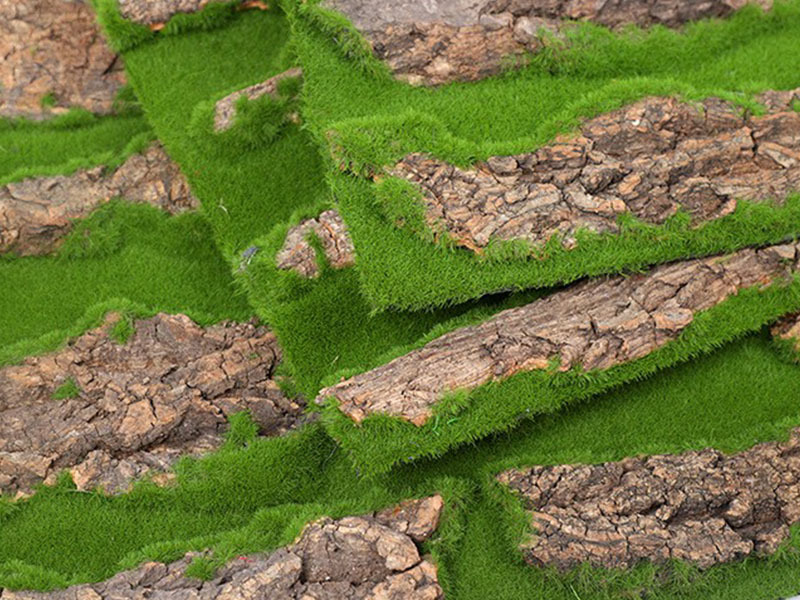
Performance advantages of simulated moss

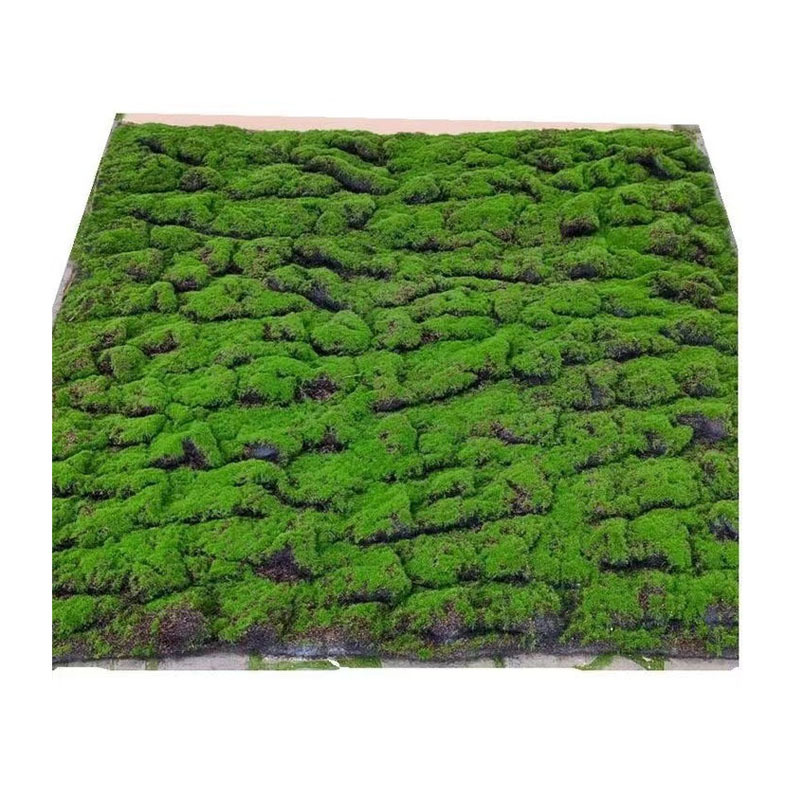


Committed to providing customers with high-quality artificial turf products and professional solutions.Covering all categories of artificial turf and artificial plants for sports, leisure and greening, we support OEM customization to meet diverse needs.