
Transform Your Space: The Benefits of Using Artificial Bark in Landscaping
2025-12-15


Transform Your Space: The Benefits of Using Artificial Bark in Landscaping
Table of Contents
Introduction to Artificial Bark in Landscaping
What is Artificial Bark?
Advantages of Using Artificial Bark for Landscaping
Aesthetic Benefits of Artificial Bark
Durability and Low Maintenance of Artificial Bark
Environmental Impact of Artificial Bark
Installation Process of Ar
Transform Your Space: The Benefits of Using Artificial Bark in Landscaping
Table of Contents
- Introduction to Artificial Bark in Landscaping
- What is Artificial Bark?
- Advantages of Using Artificial Bark for Landscaping
- Aesthetic Benefits of Artificial Bark
- Durability and Low Maintenance of Artificial Bark
- Environmental Impact of Artificial Bark
- Installation Process of Artificial Bark
- Cost-Effectiveness of Artificial Bark
- Frequently Asked Questions
- Conclusion
Introduction to Artificial Bark in Landscaping
Landscaping is a vital aspect of creating a welcoming and visually appealing outdoor space. With the rise of innovative materials, artificial bark has emerged as a popular choice among homeowners and landscape professionals. This versatile solution mimics the look and feel of real bark while offering numerous advantages. In this article, we explore the many benefits of using artificial bark in landscaping, from its aesthetic appeal to its practical advantages.
What is Artificial Bark?
Artificial bark is a synthetic material designed to replicate the appearance of natural wood bark. It is made from high-quality plastic or rubber compounds that ensure durability and longevity. Available in a variety of textures and colors, artificial bark can be used for various landscaping applications, including ground cover, decorative mulch, and as a protective layer for trees and plants.
Advantages of Using Artificial Bark for Landscaping
The use of artificial bark in landscaping offers several advantages that make it an appealing choice for homeowners and professionals alike. Below, we explore some of the key benefits that artificial bark brings to your outdoor space:
Aesthetic Appeal
Artificial bark provides an elegant touch to any landscape design. Its realistic appearance enhances the overall visual appeal of gardens, parks, and outdoor recreational areas. With options available in different shades and textures, you can easily find an artificial bark that complements your landscape theme, be it modern, traditional, or rustic.
Durability
One of the standout features of artificial bark is its exceptional durability. Unlike natural bark, which can decompose, fade, or harbor pests, artificial bark is designed to withstand various weather conditions, including intense sunlight and heavy rainfall. This resilience ensures that your landscape retains its beauty for years to come without the need for frequent replacement.
Low Maintenance Requirements
Maintaining natural landscaping elements can be time-consuming and labor-intensive. Artificial bark significantly reduces the need for ongoing maintenance. Unlike organic mulch, which requires regular replenishing, artificial bark remains in place and retains its appearance without fading or deteriorating over time. This means less time spent on upkeep and more time enjoying your beautiful outdoor space.
Cost-Effectiveness
While the initial investment in artificial bark may be higher than natural options, the long-term savings are substantial. With minimal maintenance costs, reduced replacement needs, and its longevity, artificial bark can ultimately save you money. Furthermore, it helps prevent soil erosion and retains moisture, reducing the need for frequent watering and contributing to lower utility bills.
Aesthetic Benefits of Artificial Bark
The aesthetic advantages of artificial bark go beyond its visual appeal. Here are some practical ways artificial bark can elevate your landscape's design:
Versatile Design Options
Artificial bark is available in a range of colors and textures, allowing for versatile design possibilities. Whether you are looking to create a serene Zen garden or a vibrant flower bed, artificial bark can be tailored to match your vision. This flexibility makes it an ideal choice for both residential and commercial properties.
Complementing Other Landscaping Elements
Artificial bark can seamlessly integrate with other landscaping materials, such as stone, wood, and plants. It enhances the overall design by providing a cohesive look that ties different elements together. Whether used as a backdrop for flower beds or as a decorative border for pathways, artificial bark can elevate your landscape's aesthetic.
Creating a Natural Look
One of the primary reasons homeowners choose artificial bark is its ability to create a natural look without the drawbacks associated with organic materials. The intricately designed patterns and textures mimic the irregularities of real bark, making it difficult to distinguish from the natural product at first glance.
Durability and Low Maintenance of Artificial Bark
In addition to aesthetic benefits, the durability and low maintenance of artificial bark make it a practical choice for landscaping projects:
Weather Resistance
Artificial bark is engineered to withstand various weather conditions. It is resistant to fading from UV rays, ensuring that it maintains its color and appearance over time. Furthermore, it is not susceptible to rot or decay, making it an ideal choice for areas with high moisture or fluctuating temperatures.
Pest and Weed Control
Artificial bark can also serve as a barrier against pests and weeds. Unlike natural mulch, which can attract insects and provide a favorable environment for weed growth, artificial bark does not foster these issues. This feature allows for a cleaner and healthier outdoor space with less effort.
Environmental Impact of Artificial Bark
When considering landscaping options, it's essential to factor in environmental sustainability. Artificial bark has several eco-friendly attributes:
Long Lifespan Reduces Waste
The extended lifespan of artificial bark means less frequent replacement, reducing overall waste. By choosing a durable, long-lasting product, you contribute to less environmental impact compared to frequently replacing organic materials.
Recyclable Materials
Many artificial bark products are made from recyclable materials, further enhancing their sustainability. When the time comes to replace or remove the artificial bark, you can often recycle it, minimizing landfill contributions and promoting a greener approach to landscaping.
Installation Process of Artificial Bark
The installation of artificial bark is a straightforward process that can significantly enhance your landscaping project. Here are the steps to follow for a successful installation:
Preparing the Area
Begin by clearing the area where the artificial bark will be installed. Remove any existing organic mulch, weeds, or debris to create a clean surface. Level the ground as needed to ensure an even distribution of the artificial bark.
Weed Barrier Installation
To prevent weed growth beneath the artificial bark, consider laying down a landscaping fabric. This barrier will help keep unwanted vegetation at bay while allowing water and nutrients to reach the soil.
Applying Artificial Bark
Once the area is prepared, evenly distribute the artificial bark over the surface. Use a rake to level the material and create a uniform appearance. Aim for a depth of approximately 2 to 4 inches to ensure adequate coverage and effectiveness.
Maintenance After Installation
After installation, minimal maintenance is required. Check periodically for debris accumulation and clear it away to maintain a clean appearance. Sweeping or rinsing off the surface can help keep the artificial bark looking fresh and vibrant.
Cost-Effectiveness of Artificial Bark
The financial implications of landscaping choices are significant. Understanding the cost-effectiveness of artificial bark can aid in making informed decisions:
Initial Investment vs. Long-Term Savings
While the upfront cost of artificial bark may seem higher than organic mulch, it is essential to consider the long-term benefits. The durability and low maintenance needs of artificial bark translate into savings over time, making it a sound investment for your landscaping.
Reduced Labor Costs
With less maintenance required, property owners can save on labor costs associated with landscaping upkeep. This advantage is particularly beneficial for commercial properties or large residential spaces where landscaping services are frequently employed.
Water Conservation
Artificial bark's moisture retention properties help conserve water, leading to lower irrigation costs. By reducing the frequency of watering, you can further minimize your landscaping expenses while contributing to environmental sustainability.
Frequently Asked Questions
1. How long does artificial bark last?
Artificial bark is designed to last for many years, often exceeding a decade with proper care and maintenance. Its durability ensures that you won’t need to replace it frequently.
2. Can artificial bark be used in landscaping around children and pets?
Yes, artificial bark is generally safe for children and pets, as it is non-toxic and does not harbor pests or insects. However, always opt for products that are specifically labeled as pet-friendly.
3. Is artificial bark environmentally friendly?
Many artificial bark products are made from recyclable materials and have a long lifespan, reducing waste. Additionally, they require less maintenance, which can conserve resources over time.
4. How do I clean artificial bark?
Cleaning artificial bark is simple. A periodic rinse with water or a gentle sweep to remove debris is usually all that is required to maintain its appearance.
5. Can I install artificial bark myself?
Yes, the installation process for artificial bark is straightforward, making it a feasible DIY project for homeowners. Just ensure that you follow the preparation and installation steps for the best results.
Conclusion
The integration of artificial bark into your landscaping offers a multitude of benefits that can transform any outdoor space. From its aesthetic appeal and durability to its low-maintenance requirements and eco-friendly attributes, artificial bark stands out as a practical solution for homeowners and professionals alike. Embrace the advantages of this innovative material, and watch as your landscape flourishes with beauty and efficiency. By choosing artificial bark, you invest in a sustainable and visually stunning solution that enhances your outdoor environment for years to come.
TAG:
Related News
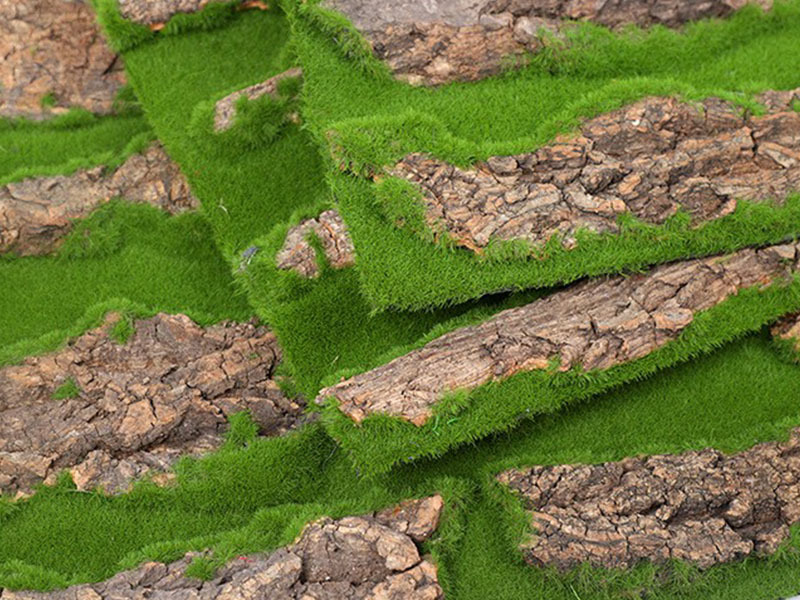
Performance advantages of simulated moss
No need for watering, pruning, or fertilization, saving labor and time costs. For example, using simulated moss walls in commercial places can reduce annual maintenance costs by 80%.
Strong weather resistance, unaffected by temperature and humidity, suitable for dry or humid environments.


Committed to providing customers with high-quality artificial turf products and professional solutions.Covering all categories of artificial turf and artificial plants for sports, leisure and greening, we support OEM customization to meet diverse needs.