
The Impact of Artificial Turf on Outdoor Sports Performance: A Comprehensive Analysis
2026-04-12


The Impact of Artificial Turf on Outdoor Sports Performance
Table of Contents
Introduction to Artificial Turf in Sports
A Brief History of Artificial Turf
Benefits of Artificial Turf for Athletes
Enhanced Performance Metrics
Consistency in Playability
Injury Prevention and Safety
Applications of Artificial Turf in Different Spo
The Impact of Artificial Turf on Outdoor Sports Performance
Table of Contents
- Introduction to Artificial Turf in Sports
- A Brief History of Artificial Turf
- Benefits of Artificial Turf for Athletes
- Applications of Artificial Turf in Different Sports
- Environmental Considerations
- Challenges and Drawbacks of Artificial Turf
- The Future of Artificial Turf in Sports
- Frequently Asked Questions
- Conclusion
Introduction to Artificial Turf in Sports
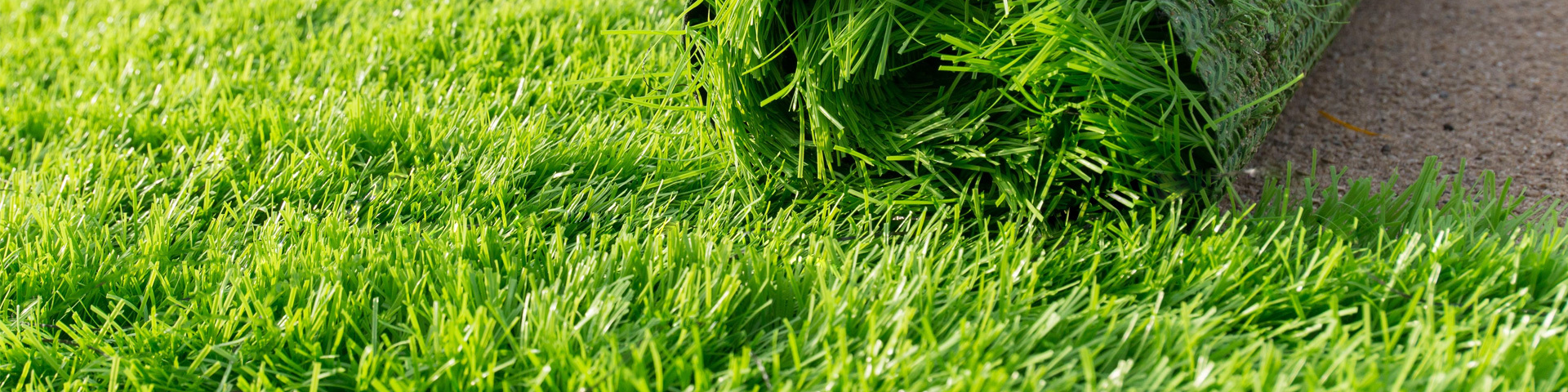
Artificial turf has transformed the landscape of outdoor sports, offering numerous benefits for athletes, coaches, and sports organizations alike. This modern alternative to natural grass has gained popularity due to its durability, low maintenance requirements, and ability to provide consistent playing conditions. In this comprehensive analysis, we delve into the impact of artificial turf on outdoor sports performance, examining its benefits, applications, and potential challenges.
A Brief History of Artificial Turf
Artificial turf first emerged in the 1960s, initially introduced as "AstroTurf" for the Houston Astrodome. The early versions were primarily made from nylon, which provided a hard and abrasive surface. Over the years, advancements in technology led to the development of softer and more resilient materials, designed to mimic the feel and performance of natural grass. Today, synthetic turf is engineered specifically for various sports, taking into account factors such as shock absorption, drainage, and traction.
Benefits of Artificial Turf for Athletes
Artificial turf offers a range of benefits that can significantly enhance outdoor sports performance. Here are some key advantages:
Enhanced Performance Metrics
One of the most significant impacts of artificial turf is the improvement in performance metrics for athletes. The consistent surface allows for better ball control, faster speeds, and increased agility. Many athletes report that the predictable nature of synthetic grass enables them to execute complex plays with greater precision.
Studies have shown that athletes who train and compete on artificial turf can achieve significantly higher performance levels compared to natural grass. This shift can lead to improved statistics in various sports, from soccer goals to football yardage.
Consistency in Playability
Outdoor sports are often subject to the whims of Mother Nature. Rain, snow, and extreme temperatures can render natural grass fields unplayable. In contrast, artificial turf provides a consistent playing surface regardless of weather conditions. This reliability ensures that games and training sessions can proceed as scheduled, maximizing athletes' practice time and reducing cancellations.
The uniformity of artificial turf also enhances the overall experience, allowing players to focus on their performance rather than adapting to shifting conditions on the field.
Injury Prevention and Safety
Injury rates in sports continue to be a significant concern for athletes and coaches alike. One of the advantages of artificial turf is its potential for reducing certain types of injuries. The materials used in modern synthetic turf are designed to offer shock absorption, which can help decrease the impact on joints and muscles.
Studies indicate that playing on artificial turf may lower the incidence of knee injuries and concussions, particularly in contact sports like football. However, it is crucial to note that while artificial turf can mitigate some risks, it does not eliminate all injury possibilities. Proper training and conditioning remain vital components in athlete safety.
Applications of Artificial Turf in Different Sports
Artificial turf has found its place in various sports, each benefiting from its unique characteristics. Here, we highlight the impact of synthetic grass across several popular athletic disciplines.
Impact on Soccer
Soccer is one of the most widely played sports globally, and the adoption of artificial turf has revolutionized the game. Synthetic pitches allow for year-round play, ensuring teams can maintain their competitive edge. The consistent surface facilitates smoother ball movement and enhances footwork, leading to a more dynamic game.
Moreover, international competitions have embraced artificial turf, with FIFA certifying several synthetic fields for professional play. This endorsement underscores the reliability of artificial turf as a legitimate playing surface in soccer.
Effects in American Football
American football has also seen a significant shift towards artificial turf. With the physical nature of the sport, the shock-absorbing properties of synthetic grass can help reduce injuries, particularly in high-impact scenarios.
Additionally, artificial turf allows for better drainage, minimizing the risk of muddy fields during inclement weather. This capability ensures that teams can practice and compete without interruptions, contributing to better overall performance.
Track and Field Benefits
In track and field, artificial turf provides a versatile surface for various events, including sprints, hurdles, and jumps. The enhanced traction and consistent surface are critical for sprinters looking to achieve their best times.
Many modern athletic facilities now feature synthetic tracks made from materials that complement artificial turf, creating cohesive training environments. This integration supports athletes' diverse training needs, facilitating better preparation for competitions.
Environmental Considerations
While artificial turf offers numerous advantages, it is essential to consider the environmental impact. The production and disposal of synthetic materials raise concerns regarding sustainability. Many manufacturers are now focusing on eco-friendly alternatives, utilizing recycled materials and creating options designed for easier disposal.
Furthermore, artificial turf eliminates the need for pesticides and fertilizers commonly used in maintaining natural grass fields. This reduction in chemical use can positively impact local ecosystems, making synthetic grass an environmentally friendly choice when managed responsibly.
Challenges and Drawbacks of Artificial Turf
Despite its advantages, artificial turf is not without challenges. One significant concern is the potential for higher surface temperatures during hot weather. Synthetic grass can absorb and retain heat, leading to uncomfortable conditions for athletes. Manufacturers are exploring solutions, such as cooling technology, to mitigate this issue.
Another challenge is the initial cost of installation. While long-term savings can be realized through reduced maintenance and water usage, the upfront investment can be a barrier for some organizations.
Finally, there is an ongoing debate about the long-term health effects of playing on artificial turf, particularly regarding materials like crumb rubber infill. Ongoing research is necessary to fully understand any potential risks associated with prolonged exposure.
The Future of Artificial Turf in Sports
As technology continues to advance, we can expect further innovations in artificial turf. Future developments may lead to more environmentally sustainable materials, improved performance characteristics, and enhanced safety features.
Additionally, the growing popularity of synthetic grass suggests that more sports organizations will embrace its advantages. With ongoing research, we may discover new applications and benefits that can enhance outdoor sports performance even further.
Frequently Asked Questions
1. Is artificial turf safe for athletes?
Artificial turf is generally safe for athletes, especially when constructed with modern materials designed to reduce injury risks. However, proper training and conditioning remain essential for athlete safety.
2. How does artificial turf compare to natural grass in terms of maintenance?
Artificial turf requires significantly less maintenance than natural grass. It does not need mowing, watering, or fertilization, which leads to cost savings over time.
3. Can artificial turf be used in all weather conditions?
Yes, one of the main advantages of artificial turf is its ability to withstand various weather conditions, providing a consistent playing surface regardless of rain or snow.
4. What are the environmental impacts of artificial turf?
While artificial turf eliminates the need for pesticides and fertilizers, concerns exist regarding the production and disposal of synthetic materials. Eco-friendly options are being developed to address these concerns.
5. How long does artificial turf last?
With proper care and maintenance, artificial turf can last anywhere from 8 to 15 years, depending on the quality of the materials used and how frequently it is utilized.
Conclusion
The impact of artificial turf on outdoor sports performance is profound and multifaceted. From enhancing performance metrics and providing consistent playing conditions to addressing injury prevention and safety, synthetic grass has demonstrated its value across various sports. While challenges and environmental considerations exist, ongoing advancements in technology and sustainable practices promise a bright future for artificial turf in the world of athletics. Embracing these innovations can lead to a more efficient, safer, and enjoyable experience for athletes, coaches, and fans alike.
TAG:
Related News
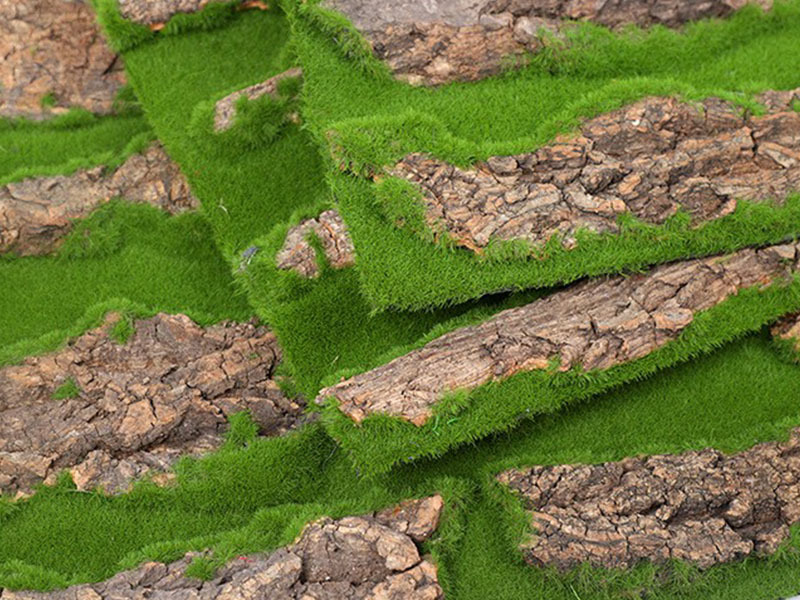
Performance advantages of simulated moss
No need for watering, pruning, or fertilization, saving labor and time costs. For example, using simulated moss walls in commercial places can reduce annual maintenance costs by 80%.
Strong weather resistance, unaffected by temperature and humidity, suitable for dry or humid environments.
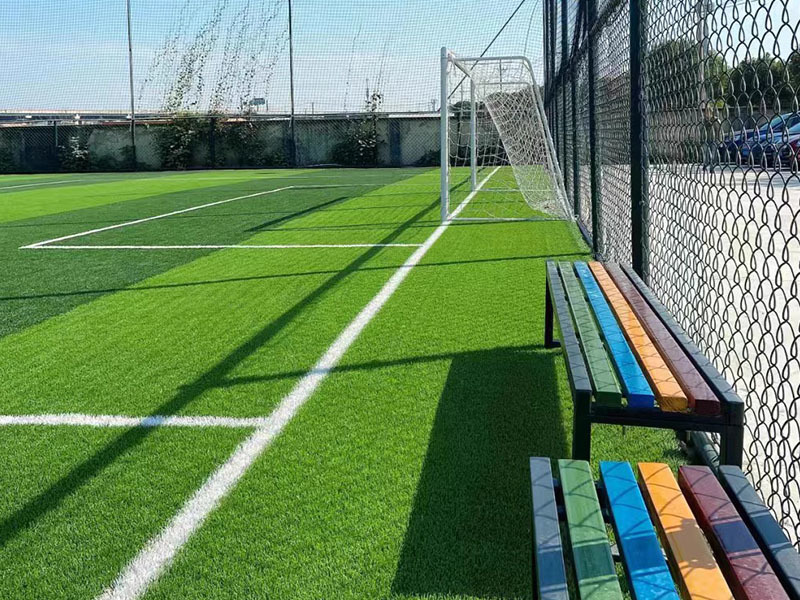


Committed to providing customers with high-quality artificial turf products and professional solutions.Covering all categories of artificial turf and artificial plants for sports, leisure and greening, we support OEM customization to meet diverse needs.