
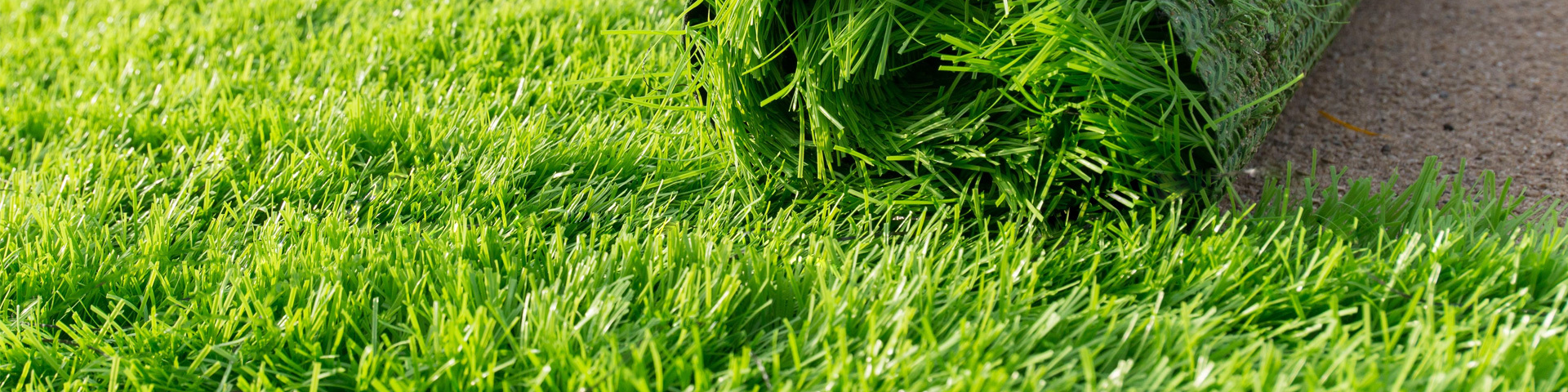
Creating a Low-Maintenance Lawn: The Magic of Artificial Turf
2026-05-12


Creating a Low-Maintenance Lawn: The Magic of Artificial Turf
Table of Contents
1. Introduction to Artificial Turf
2. Benefits of Artificial Turf
3. Types of Artificial Turf
4. Installation Process of Artificial Turf
5. Maintenance Tips for Artificial Turf
6. Cost Analysis: Artificial Turf vs. Natural Grass
7. Environmental Impact of Artificial Turf
8. Frequently Asked Questions
Creating a Low-Maintenance Lawn: The Magic of Artificial Turf
Table of Contents
- 1. Introduction to Artificial Turf
- 2. Benefits of Artificial Turf
- 3. Types of Artificial Turf
- 4. Installation Process of Artificial Turf
- 5. Maintenance Tips for Artificial Turf
- 6. Cost Analysis: Artificial Turf vs. Natural Grass
- 7. Environmental Impact of Artificial Turf
- 8. Frequently Asked Questions
- 9. Conclusion: Is Artificial Turf Right for You?
1. Introduction to Artificial Turf
Artificial turf has rapidly gained popularity as homeowners and businesses seek **low-maintenance lawn solutions**. Unlike natural grass, artificial turf remains lush and green all year round, reducing the need for constant upkeep. This guide delves into the world of artificial turf, exploring its benefits, types, installation processes, and maintenance requirements to help you better understand this innovative landscaping solution.
2. Benefits of Artificial Turf
Artificial turf offers numerous advantages that make it an appealing choice for many. Here are some of the key benefits:
2.1 Year-Round Greenery
One of the most significant advantages of artificial turf is its ability to maintain a vibrant green color throughout the year, regardless of weather conditions. Say goodbye to brown patches and muddy spots that hinder your lawn's aesthetics.
2.2 Low Maintenance Requirements
Artificial turf requires minimal maintenance compared to traditional grass. There’s no need for mowing, watering, or fertilizing, allowing you to save time and money while enjoying a beautiful lawn.
2.3 Durability and Longevity
Designed to withstand heavy foot traffic and extreme weather, artificial turf can last up to 15-20 years with proper care. This durability makes it ideal for residential lawns, sports fields, and commercial applications.
2.4 Allergy-Friendly
For individuals with grass allergies, artificial turf provides a perfect alternative. It eliminates pollen and other allergens commonly associated with natural grass, creating a more comfortable outdoor environment.
3. Types of Artificial Turf
There are various types of artificial turf available, each designed for specific applications. Understanding the differences can help you select the best option for your needs.
3.1 Landscape Turf
Landscape turf is designed primarily for residential lawns and gardens. It mimics the appearance of natural grass and comes in various shades and textures to suit your aesthetic preferences.
3.2 Sports Turf
Sports turf is engineered for athletic fields and recreational areas. It is highly durable, capable of withstanding intense physical activity, and often includes features like shock absorption and drainage systems.
3.3 Pet Turf
Pet turf is specially designed for pet owners, featuring antimicrobial properties to control odors and prevent the growth of harmful bacteria. It’s also more resistant to wear and tear caused by pets.
3.4 Putting Green Turf
For golf enthusiasts, putting green turf provides a smooth and realistic surface for practice. This type of turf is engineered to mimic the conditions of a professional putting green.
4. Installation Process of Artificial Turf
Installing artificial turf involves several steps to ensure a successful outcome. By following these steps, homeowners can achieve a seamless and beautiful lawn.
4.1 Site Preparation
The first step in the installation process is site preparation. This involves clearing the area of any debris, rocks, and existing vegetation. A level surface is essential for a smooth installation.
4.2 Base Installation
Once the site is prepared, a base layer of crushed stone or gravel is laid down. This base serves as a drainage layer and provides stability for the turf.
4.3 Turf Installation
After the base is in place, the artificial turf rolls are laid out, ensuring they are properly aligned. Seams between the turf pieces are secured with adhesive or tape.
4.4 Infill Application
Infill materials such as sand or rubber granules are applied to the turf. This layer helps keep the grass blades upright and provides cushioning for added comfort.
4.5 Final Touches
Finally, the edges of the turf are secured, and the surface is brushed to encourage the grass blades to stand up. Properly installed turf should look and feel natural.
5. Maintenance Tips for Artificial Turf
While artificial turf is low-maintenance, it still requires some care to ensure its longevity and appearance.
5.1 Regular Cleaning
Debris such as leaves, dirt, and pet waste should be removed regularly to maintain a clean surface. A leaf blower or a broom can help facilitate this process.
5.2 Occasional Rinsing
Rinsing the turf with water can help remove dust and pet odors. This is especially important for pet turf, where bacteria may accumulate.
5.3 Brushing
Periodically, it’s beneficial to brush the turf to keep the blades standing upright and looking fresh. This can be done using a stiff-bristle broom.
5.4 Inspections
Regular inspections should be conducted to check for any signs of wear or damage. Addressing issues promptly can help extend the lifespan of the turf.
6. Cost Analysis: Artificial Turf vs. Natural Grass
When considering a new lawn, weighing the costs of artificial turf against natural grass is essential.
6.1 Initial Installation Costs
The upfront cost of installing artificial turf is typically higher than planting natural grass. However, the long-term savings in maintenance and water usage can make it a cost-effective investment.
6.2 Ongoing Maintenance Costs
Natural grass requires regular mowing, watering, and fertilizing, which can add up over time. In contrast, artificial turf significantly reduces these recurring expenses.
6.3 Property Value Enhancement
Investing in artificial turf can enhance the aesthetic appeal of your property, potentially increasing its value. A well-maintained lawn is a key factor in curb appeal.
7. Environmental Impact of Artificial Turf
The environmental implications of artificial turf are often debated. Here, we examine both sides of the argument.
7.1 Water Conservation
One of the most significant benefits of artificial turf is its contribution to water conservation. By eliminating the need for irrigation, it helps conserve precious water resources, particularly in drought-prone areas.
7.2 Chemical Usage
Artificial turf doesn’t require pesticides or fertilizers, reducing the chemical runoff that can harm local ecosystems. This eco-friendly characteristic contributes to healthier soil and water systems.
7.3 Sustainability Concerns
On the flip side, the production of artificial turf involves synthetic materials, which can raise sustainability concerns. However, advancements in recycling and manufacturing processes are addressing these issues, leading to more environmentally friendly options.
8. Frequently Asked Questions
8.1 How long does artificial turf last?
With proper care, artificial turf can last between 15 and 20 years.
8.2 Is artificial turf safe for pets and children?
Yes, most artificial turf options are made from non-toxic materials and are safe for both pets and children.
8.3 Does artificial turf get hot in the sun?
Artificial turf can become warm in direct sunlight. Regular rinsing can help cool it down, especially during hot weather.
8.4 How is artificial turf installed?
Installation involves site preparation, base installation, turf placement, infill application, and final touches.
8.5 Can I install artificial turf myself?
While DIY installation is possible, hiring professionals can ensure a proper and seamless installation, maximizing the benefits of your investment.
9. Conclusion: Is Artificial Turf Right for You?
In summary, artificial turf presents an excellent solution for those seeking a **low-maintenance lawn** that maintains its beauty throughout the year. With its durability, environmental benefits, and reduced upkeep requirements, it's no wonder that homeowners and businesses are increasingly turning to this innovative option. If you're contemplating the switch to artificial turf, consider your unique needs and preferences, and conduct thorough research to make an informed decision. Investing in artificial turf could transform your outdoor space into a stunning, hassle-free oasis.
TAG:
Related News
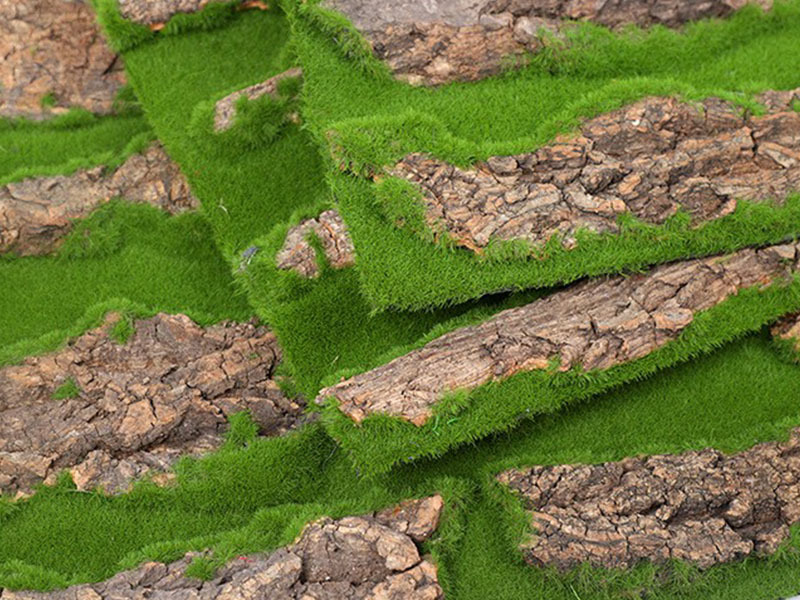
Performance advantages of simulated moss
No need for watering, pruning, or fertilization, saving labor and time costs. For example, using simulated moss walls in commercial places can reduce annual maintenance costs by 80%.
Strong weather resistance, unaffected by temperature and humidity, suitable for dry or humid environments.
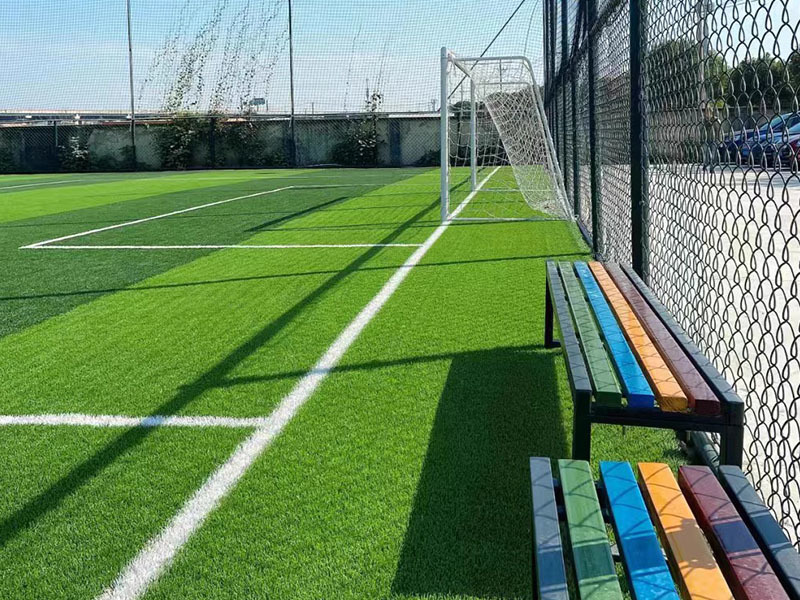


Committed to providing customers with high-quality artificial turf products and professional solutions.Covering all categories of artificial turf and artificial plants for sports, leisure and greening, we support OEM customization to meet diverse needs.