
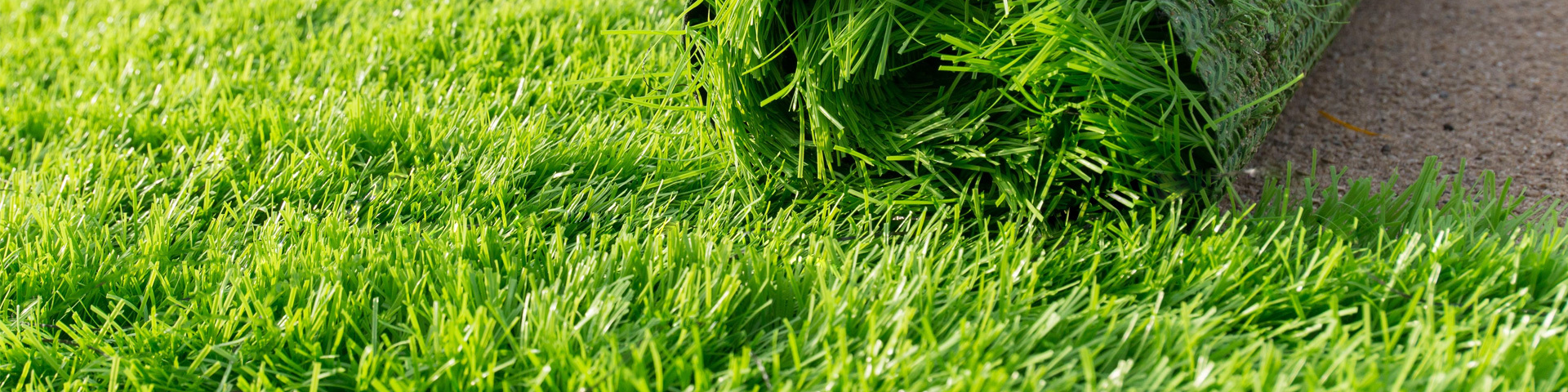
Why Choose Artificial Football Grass for Your Sports Facilities? Uncover the Advantages and Benefits
2026-01-02


Why Choose Artificial Football Grass for Your Sports Facilities?
Artificial football grass has revolutionized the way sports facilities are designed and maintained. With an increasing number of clubs, schools, and recreational spaces opting for synthetic turf, it’s crucial to understand the numerous benefits this choice brings. In this article, we will explore **why artificial football grass is th
Why Choose Artificial Football Grass for Your Sports Facilities?
Artificial football grass has revolutionized the way sports facilities are designed and maintained. With an increasing number of clubs, schools, and recreational spaces opting for synthetic turf, it’s crucial to understand the numerous benefits this choice brings. In this article, we will explore **why artificial football grass is the preferred option for sports facilities**, shedding light on its durability, cost-effectiveness, safety, and environmental advantages.
Table of Contents
1. Introduction to Artificial Football Grass
2. Durability: The Longevity of Artificial Turf
3. Cost-Effectiveness: Saving Money in the Long Run
4. Safety: Ensuring Player Well-being
5. Environmental Benefits of Artificial Grass
6. Maintenance: The Low-Care Option
7. Aesthetics: Enhancing Your Facility's Appearance
8. Conclusion: Making the Smart Choice
9. Frequently Asked Questions about Artificial Football Grass
Introduction to Artificial Football Grass
Artificial football grass, often referred to as synthetic turf, is an engineered surface made from synthetic fibers that mimic natural grass. Originally developed for high-profile sports venues, its popularity has surged across various levels of sports, including amateur leagues and school fields. This grass is designed to withstand heavy use while offering a consistent playing surface.
The **growing trend towards artificial grass** can be attributed to multiple factors, including the demand for year-round accessibility and reduced maintenance costs. As we delve deeper into its benefits, it becomes clear that synthetic turf presents a multitude of advantages that cater to the needs of sports facilities of all sizes.
Durability: The Longevity of Artificial Turf
One of the most significant advantages of artificial football grass is its remarkable durability. Unlike natural grass, which can become worn and damaged due to heavy foot traffic and adverse weather conditions, artificial turf is engineered to endure performance under varying circumstances.
**Synthetic turf can last up to 15-20 years** with appropriate care and has a consistent playability that natural grass often lacks. This resilience makes it an ideal choice for sports facilities that host games and practices throughout the year.
In addition, artificial grass is not subject to the seasonal growth periods of natural grass, allowing sports facilities to remain operational regardless of the climate. Whether it’s the scorching heat of summer or the freezing temperatures of winter, artificial turf maintains its integrity, ensuring that athletes can play whenever needed.
Cost-Effectiveness: Saving Money in the Long Run
When evaluating options for sports facilities, cost is often a determining factor. Although the initial investment in artificial football grass can be higher than that of natural grass, **the long-term savings are significant**.
Natural grass requires ongoing expenses, including:
- **Regular mowing**
- **Fertilization**
- **Pest control**
- **Irrigation systems**
These factors can accumulate into substantial costs over time. In contrast, synthetic turf minimizes these ongoing expenses. With reduced need for maintenance and no need for irrigation, facilities can redirect their budget towards other crucial areas, such as improving facilities or supporting youth programs.
Moreover, the longevity of artificial grass means that facilities won’t have to reinvest in new turf as frequently, further enhancing its cost-effectiveness.
Safety: Ensuring Player Well-being
Safety is paramount within any sports environment, and artificial football grass excels in this area. The synthetic fibers used in turf are designed to provide excellent shock absorption, reducing the risk of injuries related to falls or impacts.
Furthermore, synthetic turf does not have the same issues as natural grass, such as uneven surfaces or muddy patches that can lead to slips and falls. Facilities equipped with artificial grass offer a **safer playing environment**, which is essential for both professional athletes and recreational players.
In addition, modern advancements in artificial turf technology have led to the development of surfaces that are not only safe but also compliant with safety standards set by various sports organizations. This allows sports facilities to confidently host events and tournaments.
Environmental Benefits of Artificial Grass
As global awareness of environmental issues grows, the impact of artificial football grass on the environment must not be overlooked. While some may argue that synthetic grass comes with its own environmental concerns, it offers several benefits that can’t be ignored.
Firstly, synthetic turf eliminates the need for chemical fertilizers and pesticides, which can pollute local water sources. By opting for artificial grass, facilities contribute to **reducing their environmental footprint**.
Secondly, artificial grass requires significantly less water compared to natural grass. In regions where water scarcity is a pressing issue, choosing synthetic turf can lead to substantial water savings. The **eco-friendliness of artificial football grass** not only benefits the facility itself but also supports broader environmental sustainability efforts.
Moreover, advancements in technology have led to the creation of recyclable artificial grass products, allowing facilities to dispose of old turf in an environmentally responsible manner at the end of its lifespan.
Maintenance: The Low-Care Option
One of the most appealing aspects of artificial football grass is its low-maintenance requirements. Facilities equipped with synthetic turf save time and resources that would otherwise be spent on routine maintenance tasks associated with natural grass.
While some upkeep is necessary to ensure optimal performance, such as brushing and infill replenishment, these tasks are minimal compared to the demands of maintaining a natural grass field. The time and labor saved can be redirected toward enhancing facility services or organizing events.
This low-maintenance nature also means that sports facilities can operate at peak efficiency throughout the year, ensuring that players have access to high-quality playing surfaces regardless of the season.
Aesthetics: Enhancing Your Facility's Appearance
In addition to the functional benefits, artificial football grass enhances the overall aesthetics of sports facilities. A well-maintained synthetic turf field provides a vibrant, lush appearance that is visually appealing.
With advancements in technology, today’s artificial grass looks remarkably similar to natural grass, featuring variations in color and texture that mimic the look of a real playing surface. This visual appeal can attract teams, schools, and events, positioning the facility as a desirable location for sporting activities.
Moreover, synthetic turf can be customized to accommodate specific branding or design elements, allowing facilities to showcase their identity while maintaining a professional appearance.
Conclusion: Making the Smart Choice
Choosing artificial football grass for sports facilities presents a multitude of benefits that far outweigh the initial investment. From its **durability and cost-effectiveness** to safety features and environmental advantages, synthetic turf is a practical solution for any sports organization.
As the demand for year-round, high-quality playing surfaces continues to grow, artificial grass stands out as a reliable choice. By investing in artificial football grass, sports facilities can provide athletes with the safe, consistent, and visually appealing environments they deserve.
In a world where the importance of sustainability and efficiency is paramount, the decision to switch to artificial turf offers a strategic advantage that ensures facilities can thrive in the competitive sporting arena.
Frequently Asked Questions about Artificial Football Grass
1. How long does artificial football grass last?
Artificial football grass can last between 15 to 20 years with proper care and maintenance.
2. Is artificial grass safe for players?
Yes, artificial grass is engineered with safety in mind, offering excellent shock absorption and a consistent playing surface that reduces injury risks.
3. Does artificial turf require watering?
No, one of the main benefits of artificial turf is that it does not require watering, leading to significant water savings.
4. How is artificial grass maintained?
Maintenance involves occasional brushing, infill replenishment, and cleaning debris from the surface. These tasks are minimal compared to natural grass upkeep.
5. Can artificial grass be recycled?
Yes, many modern artificial grass products are designed to be recyclable, allowing for environmentally responsible disposal at the end of their lifespan.
TAG:
Related News
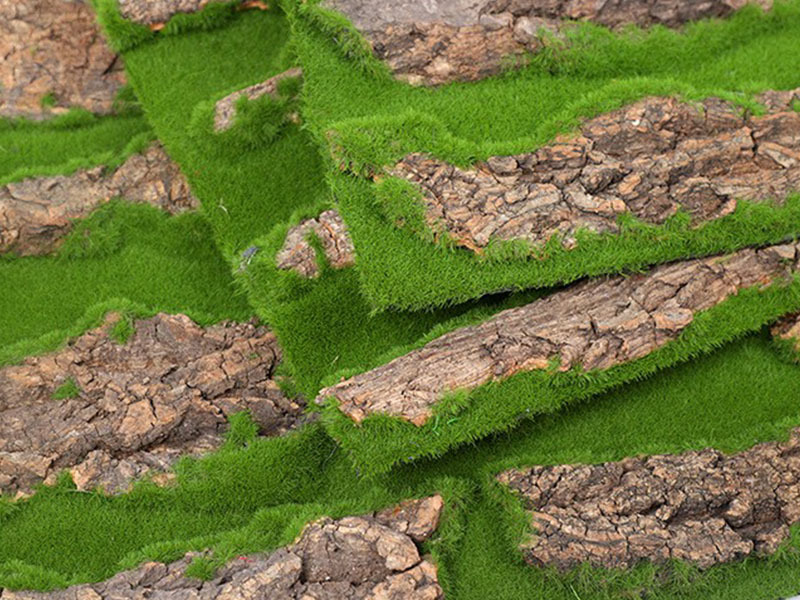
Performance advantages of simulated moss
No need for watering, pruning, or fertilization, saving labor and time costs. For example, using simulated moss walls in commercial places can reduce annual maintenance costs by 80%.
Strong weather resistance, unaffected by temperature and humidity, suitable for dry or humid environments.
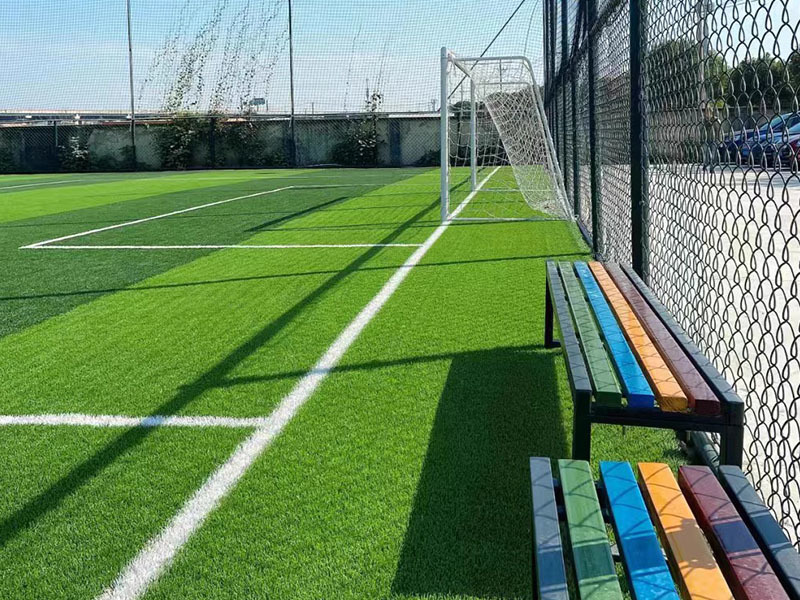
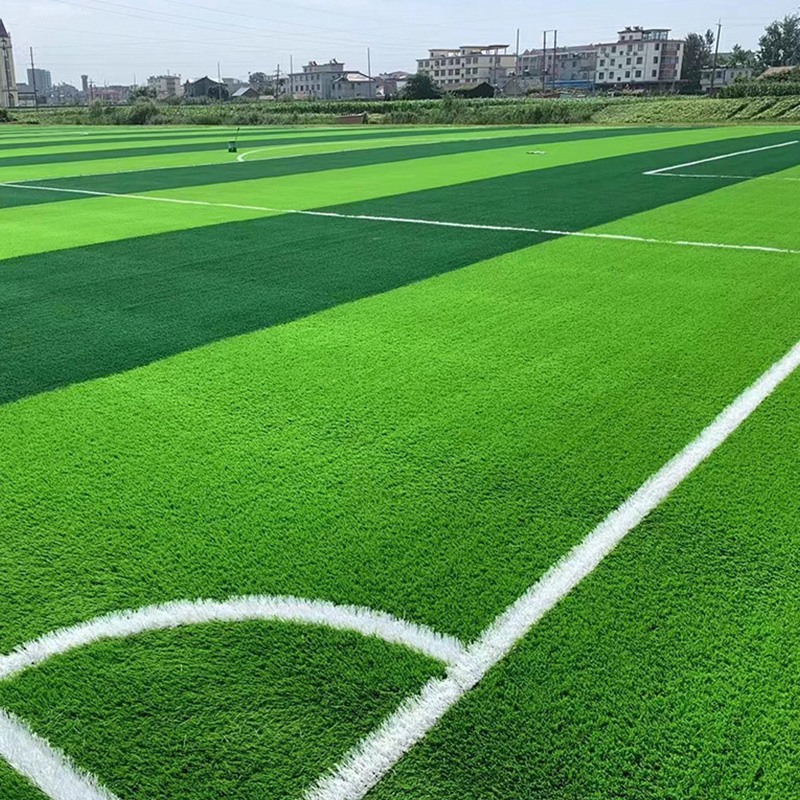

Committed to providing customers with high-quality artificial turf products and professional solutions.Covering all categories of artificial turf and artificial plants for sports, leisure and greening, we support OEM customization to meet diverse needs.