
Understanding Synthetic Grass: Benefits and Applications in Sports and Recreation
2026-03-08


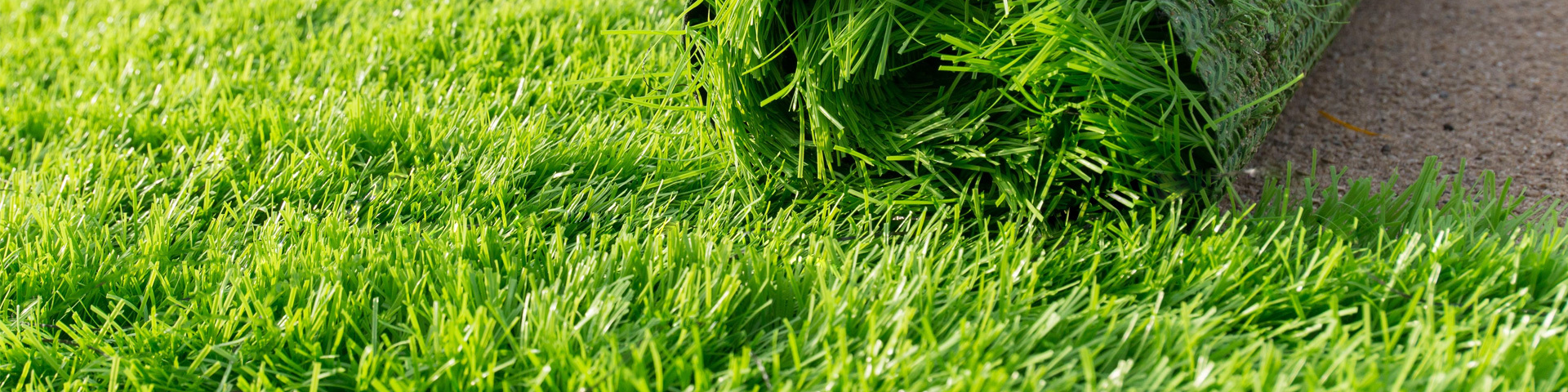
Synthetic grass has revolutionized the way we engage with sports and recreational activities. Traditionally, natural grass has been the surface of choice for many athletic fields, but synthetic alternatives have emerged as a formidable contender, offering a myriad of benefits that cater to both athletes and facility managers.
One of the most significant advantages of synthetic grass is its durabil
Synthetic grass has revolutionized the way we engage with sports and recreational activities. Traditionally, natural grass has been the surface of choice for many athletic fields, but synthetic alternatives have emerged as a formidable contender, offering a myriad of benefits that cater to both athletes and facility managers.
One of the most significant advantages of synthetic grass is its durability. Unlike natural grass, which can become worn and patchy due to high foot traffic, synthetic turf maintains its integrity under various weather conditions and usage levels. This resilience ensures that sports fields and recreational areas remain playable all year round, regardless of local climate challenges. Additionally, synthetic grass requires minimal maintenance compared to natural grass, which often necessitates regular mowing, watering, and fertilizing. This translates to lower long-term costs and less time spent on upkeep, allowing facility managers to allocate resources more efficiently.
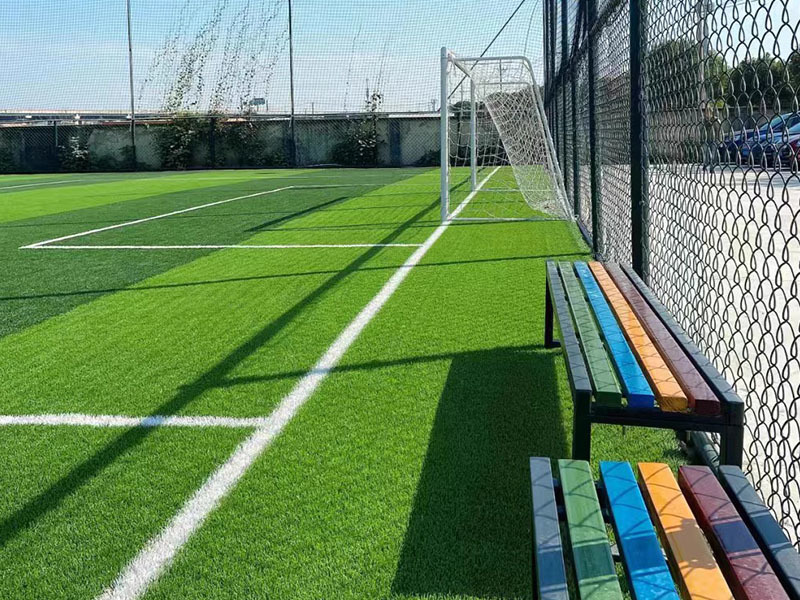
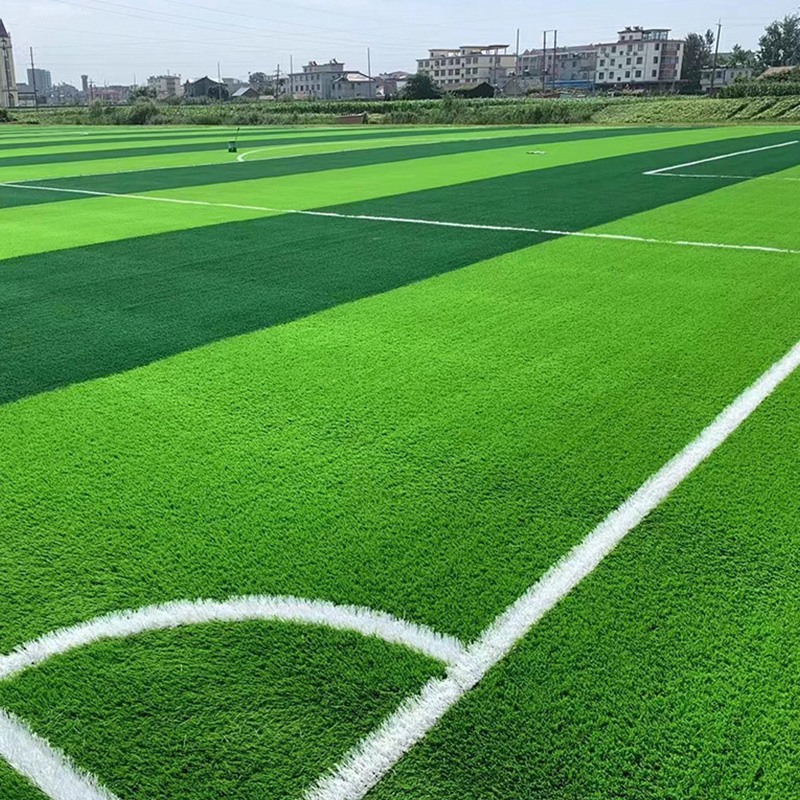
Mimicking the feel and performance of natural grass, synthetic turf provides an excellent playing surface for various sports, including soccer, football, and tennis. The consistent texture and cushioning properties of synthetic grass help reduce the risk of injuries, making it an appealing option for schools, sports clubs, and recreational facilities. Moreover, the advanced technology used in the production of synthetic grass ensures that it can withstand heavy use while maintaining optimal playing conditions.
Another notable benefit of synthetic grass is its environmental impact. While the material itself is synthetic, many modern synthetic turf products are designed with sustainability in mind. Some types of synthetic grass are made from recycled materials, and their longevity means that they need to be replaced less frequently than natural grass, ultimately decreasing waste. Additionally, synthetic grass eliminates the need for harmful pesticides and fertilizers, contributing to a healthier ecosystem around sports facilities.
Furthermore, synthetic grass is highly versatile and can be used in a wide range of settings beyond traditional sports fields. It is ideal for playgrounds, landscaping, and even residential areas, providing a lush, green appearance without the associated maintenance of natural grass. This versatility makes it a popular choice for homeowners and businesses seeking an attractive, functional outdoor space.
In conclusion, synthetic grass offers a compelling solution for the sports and recreation industries. Its durability, low maintenance needs, safety features, environmental advantages, and versatility make it an excellent choice for various applications. As facilities continue to invest in high-quality synthetic grass, the landscape of sports and recreation will continue to evolve, providing athletes and communities with enhanced experiences and opportunities. Embracing synthetic grass may well be the future of outdoor sports and recreation.
One of the most significant advantages of synthetic grass is its durability. Unlike natural grass, which can become worn and patchy due to high foot traffic, synthetic turf maintains its integrity under various weather conditions and usage levels. This resilience ensures that sports fields and recreational areas remain playable all year round, regardless of local climate challenges. Additionally, synthetic grass requires minimal maintenance compared to natural grass, which often necessitates regular mowing, watering, and fertilizing. This translates to lower long-term costs and less time spent on upkeep, allowing facility managers to allocate resources more efficiently.
Mimicking the feel and performance of natural grass, synthetic turf provides an excellent playing surface for various sports, including soccer, football, and tennis. The consistent texture and cushioning properties of synthetic grass help reduce the risk of injuries, making it an appealing option for schools, sports clubs, and recreational facilities. Moreover, the advanced technology used in the production of synthetic grass ensures that it can withstand heavy use while maintaining optimal playing conditions.
Another notable benefit of synthetic grass is its environmental impact. While the material itself is synthetic, many modern synthetic turf products are designed with sustainability in mind. Some types of synthetic grass are made from recycled materials, and their longevity means that they need to be replaced less frequently than natural grass, ultimately decreasing waste. Additionally, synthetic grass eliminates the need for harmful pesticides and fertilizers, contributing to a healthier ecosystem around sports facilities.
Furthermore, synthetic grass is highly versatile and can be used in a wide range of settings beyond traditional sports fields. It is ideal for playgrounds, landscaping, and even residential areas, providing a lush, green appearance without the associated maintenance of natural grass. This versatility makes it a popular choice for homeowners and businesses seeking an attractive, functional outdoor space.
In conclusion, synthetic grass offers a compelling solution for the sports and recreation industries. Its durability, low maintenance needs, safety features, environmental advantages, and versatility make it an excellent choice for various applications. As facilities continue to invest in high-quality synthetic grass, the landscape of sports and recreation will continue to evolve, providing athletes and communities with enhanced experiences and opportunities. Embracing synthetic grass may well be the future of outdoor sports and recreation.
TAG:
Previous
Related News
Performance advantages of simulated moss
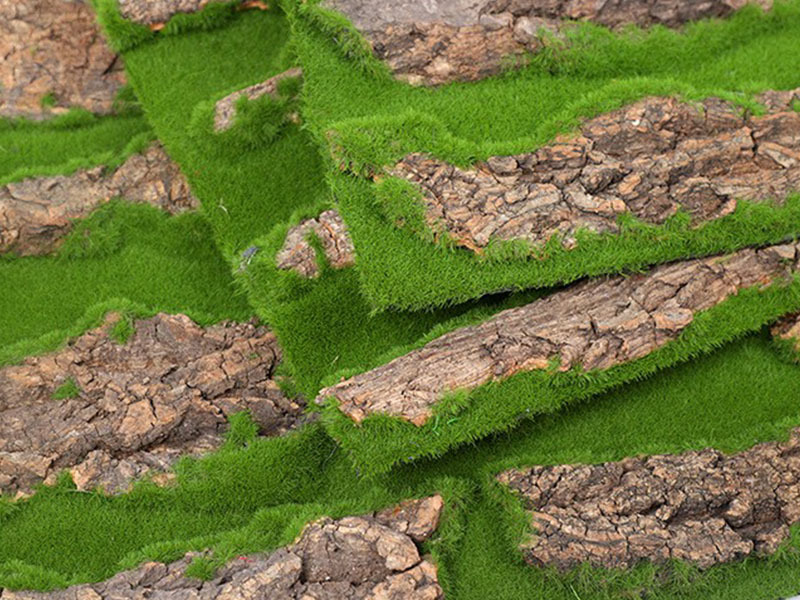
No need for watering, pruning, or fertilization, saving labor and time costs. For example, using simulated moss walls in commercial places can reduce annual maintenance costs by 80%.
Strong weather resistance, unaffected by temperature and humidity, suitable for dry or humid environments.


Committed to providing customers with high-quality artificial turf products and professional solutions.Covering all categories of artificial turf and artificial plants for sports, leisure and greening, we support OEM customization to meet diverse needs.