
Why Artificial Grass is the Future of Sustainable Landscape Design
2025-12-21


Why Artificial Grass is the Future of Sustainable Landscape Design
As we navigate the complexities of environmental conservation and sustainable practices, one solution has emerged prominently in the landscape design industry: **artificial grass**. This innovative material is not just a substitute for natural turf; it represents a significant shift towards more sustainable landscaping methods that
Why Artificial Grass is the Future of Sustainable Landscape Design
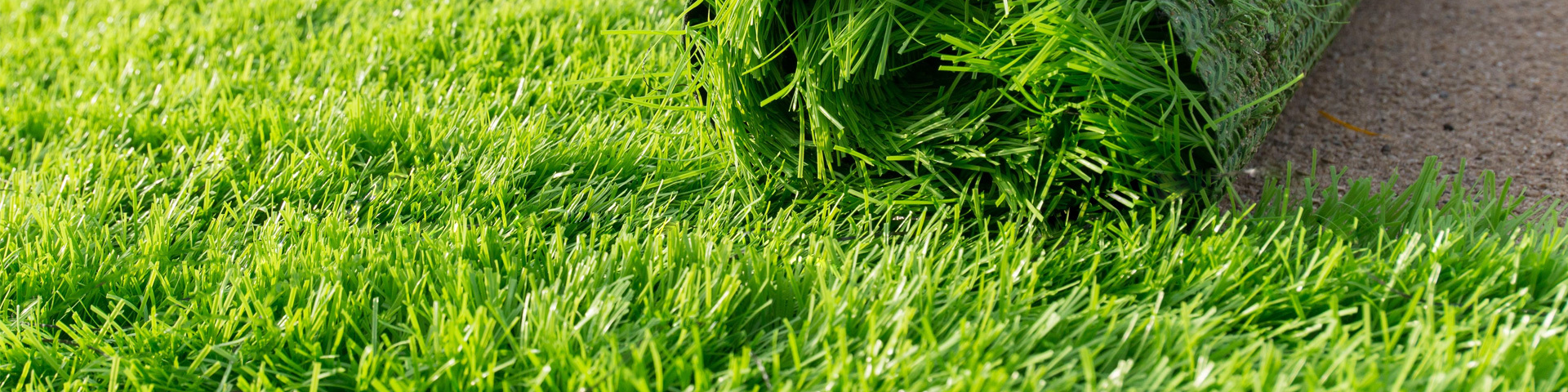
As we navigate the complexities of environmental conservation and sustainable practices, one solution has emerged prominently in the landscape design industry: **artificial grass**. This innovative material is not just a substitute for natural turf; it represents a significant shift towards more sustainable landscaping methods that prioritize **resource conservation, aesthetic versatility**, and **environmental health**. In this article, we will explore the multifaceted benefits of artificial grass and why it is becoming the go-to choice for landscape designers and homeowners alike.
Table of Contents
- 1. What is Artificial Grass?
- 2. Benefits of Artificial Grass in Landscape Design
- 3. Environmental Impact of Artificial Grass
- 4. Cost-Effectiveness of Artificial Grass
- 5. Maintenance Comparison: Artificial Grass vs. Natural Turf
- 6. Aesthetic Appeal of Artificial Grass
- 7. Applications of Artificial Grass in Landscaping
- 8. Future Trends in Artificial Grass and Landscape Design
- 9. FAQs About Artificial Grass
1. What is Artificial Grass?
Artificial grass, also known as synthetic turf, is a man-made surface designed to resemble natural grass. Made from various materials, including polyethylene, polypropylene, and nylon, artificial grass is engineered to withstand heavy foot traffic, diverse weather conditions, and the test of time. It is commonly used in sports fields, residential lawns, commercial properties, and recreational spaces, providing a lush, green environment without the upkeep associated with natural grass.
2. Benefits of Artificial Grass in Landscape Design
The adoption of artificial grass in landscape design comes with a myriad of benefits:
2.1 Water Conservation
One of the most pressing issues in landscape management is water usage. Traditional lawns require significant irrigation, which can lead to excessive water consumption. In contrast, **artificial grass** requires no watering, making it an ideal choice for eco-conscious homeowners and businesses aiming to reduce their environmental footprint.
2.2 Reduced Chemical Usage
Natural grass often demands the application of fertilizers, pesticides, and herbicides to maintain its health. These chemicals not only pose risks to local ecosystems but also contribute to water pollution. Artificial grass eliminates the need for such chemicals, allowing for a healthier environment.
2.3 Durability and Longevity
Designed to endure various climatic conditions, artificial grass can last between 15 to 25 years with minimal degradation. This durability ensures a long-term investment that outweighs the frequent replacement costs associated with natural sod.
3. Environmental Impact of Artificial Grass
The environmental benefits of artificial grass extend beyond water and chemical conservation:
3.1 Reducing Carbon Footprint
The maintenance of natural grass often requires gas-powered lawn mowers, trimmers, and blowers, contributing to greenhouse gas emissions. By opting for artificial grass, homeowners can significantly reduce their carbon footprint, as the need for traditional lawn maintenance equipment diminishes.
3.2 Biodiversity Enhancement
While some critics argue that synthetic turf can hinder local biodiversity, modern installations often incorporate features that support wildlife. For instance, many artificial grass products are designed with drainage systems that allow rainwater to permeate, supporting local flora and fauna.
4. Cost-Effectiveness of Artificial Grass
Investing in artificial grass often translates to long-term financial benefits:
4.1 Initial Investment vs. Long-Term Savings
Though the upfront cost of installing artificial grass can be higher than that of natural sod, the savings over time can be substantial. Reduced water bills, lower maintenance expenses, and the elimination of chemical treatments lead to significant savings that can offset initial expenditures.
4.2 Value Addition to Properties
Properties featuring well-maintained artificial grass are often viewed more favorably in the real estate market. The aesthetic appeal and low maintenance nature of synthetic lawns can enhance property value, making it a smart investment for homeowners.
5. Maintenance Comparison: Artificial Grass vs. Natural Turf
The maintenance requirements of artificial grass differ significantly from those of natural grass, making it a desirable choice for many:
5.1 Routine Maintenance
Natural grass requires regular mowing, watering, fertilizing, and pest control, while artificial grass necessitates only occasional brushing and rinsing to clear debris. This ease of maintenance is a primary reason many homeowners are transitioning to synthetic lawns.
5.2 Seasonal Considerations
Natural grass can suffer during extreme weather conditions, leading to dead patches and increased maintenance needs. Conversely, artificial grass remains resilient throughout all seasons, maintaining its appearance and usability year-round.
6. Aesthetic Appeal of Artificial Grass
Artificial grass is not only functional but also visually appealing. Modern synthetic grass products are designed to mimic the appearance of natural grass closely, with varying shades of green, textures, and even thatch layers to create depth and realism.
6.1 Versatility in Design
Artificial grass can be used in a variety of landscape designs, from residential lawns to commercial spaces. Its versatility allows homeowners and landscape architects to create unique outdoor environments tailored to their individual preferences.
6.2 Year-Round Greenery
One of the most popular aspects of artificial grass is its ability to remain lush and green throughout the year, regardless of seasonal changes. This characteristic ensures that landscapes look vibrant and inviting at all times.
7. Applications of Artificial Grass in Landscaping
The use of artificial grass extends beyond just lawns:
7.1 Residential Landscaping
Homeowners are increasingly using synthetic turf in gardens, play areas, and rooftop gardens. This application allows for beautiful green spaces without the associated maintenance and resource needs of traditional lawns.
7.2 Commercial Spaces
Many businesses utilize artificial grass for outdoor areas such as patios, courtyards, and landscaping around buildings. The attractive appearance and low maintenance requirements make it an excellent choice for enhancing a brand's image.
7.3 Sports Fields
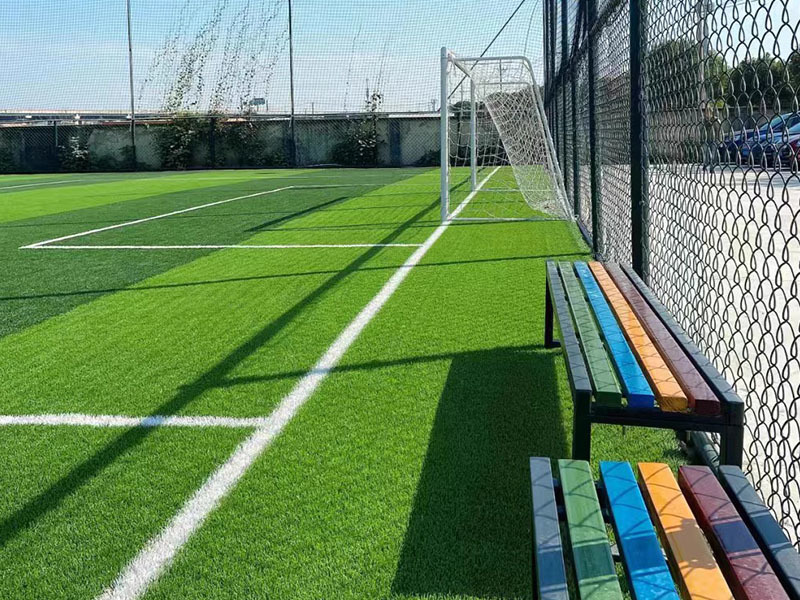
Synthetic turf is widely used in sports fields due to its durability and ability to withstand heavy use. This application reduces the need for irrigation and chemical treatments, contributing to more sustainable sporting environments.
8. Future Trends in Artificial Grass and Landscape Design
The future of artificial grass in landscape design looks promising, with several trends gaining traction:
8.1 Innovations in Materials
Advancements in technology are leading to the development of more eco-friendly materials for artificial grass. Manufacturers are exploring biodegradable options and even incorporating recycled materials to reduce environmental impact.
8.2 Smart Landscape Integration
With the rise of smart technology, artificial grass can be integrated into smart irrigation systems. These systems optimize water usage and maintenance, further enhancing the sustainability of landscape designs.
8.3 Customization Options
As consumer preferences evolve, manufacturers are offering more customizable options for artificial grass. This trend allows users to select specific textures, colors, and features that align with their unique landscape vision.
9. FAQs About Artificial Grass
9.1 Is artificial grass safe for pets?
Yes, most artificial grass products are designed to be pet-friendly. They are made from non-toxic materials and are easy to clean, making them suitable for pets.
9.2 How does artificial grass drain water?
Artificial grass is designed with a drainage system that allows water to flow through the material and into the ground, preventing puddling and water buildup.
9.3 Can artificial grass get hot in the sun?
While artificial grass can become warm in direct sunlight, manufacturers are developing products with UV inhibitors and cooling technologies to mitigate this issue.
9.4 How is artificial grass installed?
Installation involves preparing the ground, laying a base material, and then placing the grass. It can be a DIY project or done by professionals for the best results.
9.5 What is the lifespan of artificial grass?
Most artificial grass products have a lifespan of 15 to 25 years, depending on the quality of the materials and the level of maintenance.
Conclusion
Artificial grass is not merely a trend; it is becoming an integral part of sustainable landscape design. With its myriad benefits, including water conservation, reduced chemical usage, and aesthetic appeal, synthetic turf is paving the way for a more sustainable future in landscaping. As technology advances and consumer preferences shift, the potential applications and innovations surrounding artificial grass will only continue to grow, solidifying its position as a leading solution in eco-friendly landscape design. Whether for residential or commercial use, the future of outdoor spaces is undeniably green, thanks to the remarkable qualities of artificial grass.
TAG:
Related News
Performance advantages of simulated moss
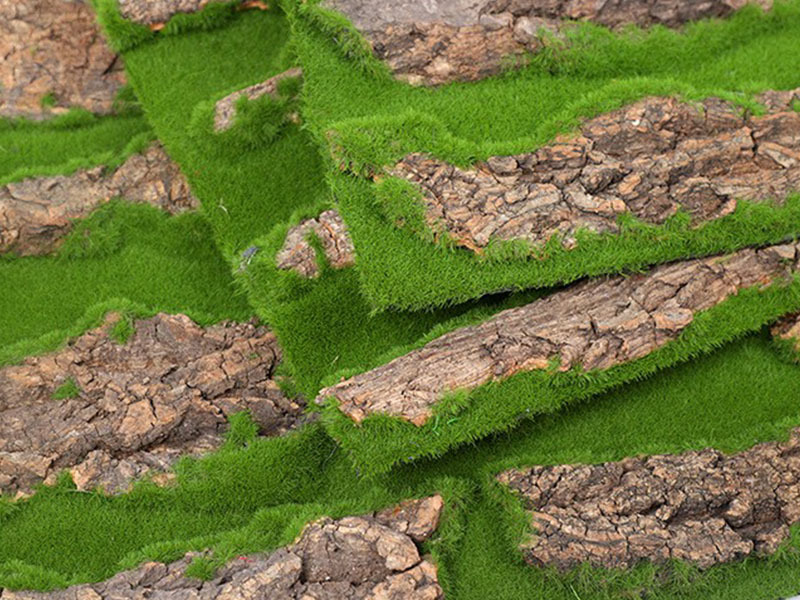
No need for watering, pruning, or fertilization, saving labor and time costs. For example, using simulated moss walls in commercial places can reduce annual maintenance costs by 80%.
Strong weather resistance, unaffected by temperature and humidity, suitable for dry or humid environments.


Committed to providing customers with high-quality artificial turf products and professional solutions.Covering all categories of artificial turf and artificial plants for sports, leisure and greening, we support OEM customization to meet diverse needs.