
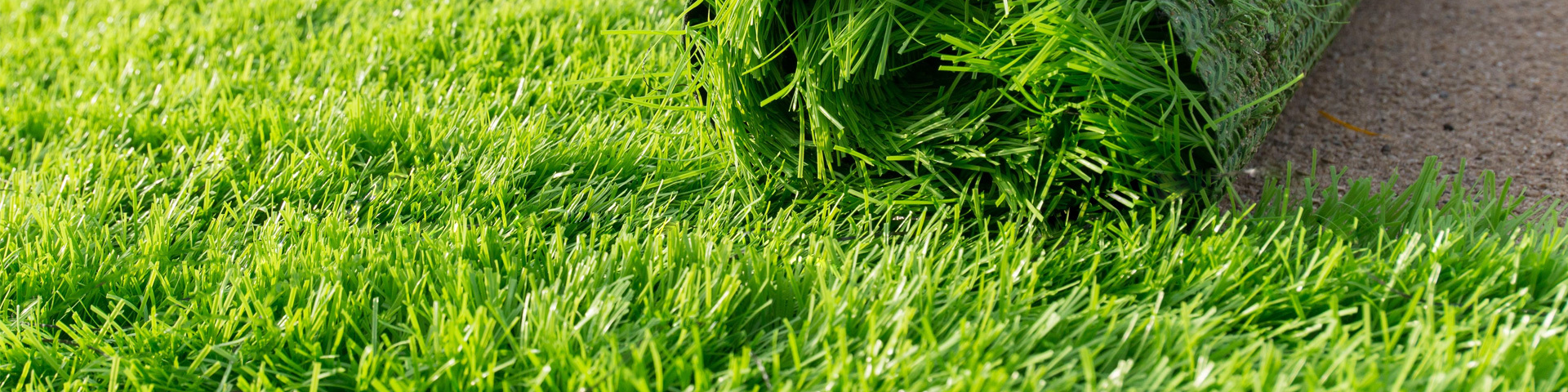
Enhancing Spaces with Simulated Green Plants: A Sustainable Approach to Interior Design
2025-12-24


In the realm of architectural and decorative materials, the integration of simulated green plants has emerged as a pivotal trend. These artificial plants provide a viable alternative to live greenery, allowing designers and architects to enhance indoor and outdoor spaces without the maintenance challenges associated with natural plants.
One of the primary advantages of simulated green plants is t
In the realm of architectural and decorative materials, the integration of simulated green plants has emerged as a pivotal trend. These artificial plants provide a viable alternative to live greenery, allowing designers and architects to enhance indoor and outdoor spaces without the maintenance challenges associated with natural plants.
One of the primary advantages of simulated green plants is their versatility. Available in a myriad of shapes, sizes, and colors, they can complement various design aesthetics, from contemporary to rustic. Unlike live plants, which require specific environmental conditions, simulated plants can thrive in any setting, making them ideal for spaces that may not receive adequate sunlight or where temperature fluctuations are a concern. This characteristic is particularly valuable in commercial buildings, offices, and hospitality venues, where maintaining a vibrant and inviting atmosphere is crucial.
Moreover, the use of simulated green plants contributes to sustainability efforts in construction and design. By opting for artificial greenery, designers can reduce the demand for water, fertilizers, and pesticides typically required for live plants. This not only minimizes environmental impact but also aligns with the principles of sustainable architecture, which advocate for resource-efficient practices. Furthermore, simulated plants can be reused and repurposed, extending their lifecycle and reducing waste.
In terms of health benefits, simulated green plants can significantly enhance indoor air quality. While they do not photosynthesize like live plants, many modern artificial plants are designed to mimic the appearance of real foliage closely. This visual representation can create a calming effect, contributing to improved mental well-being and productivity among occupants. In environments such as offices and healthcare facilities, the aesthetic appeal of simulated greenery can have a positive impact on mood and stress levels.
Another notable aspect of simulated green plants is their adaptability to various design applications. From decorative features in residential homes to focal points in commercial spaces, these plants can be strategically placed to enhance visual interest. They can be incorporated into wall installations, centerpieces, or even as part of larger landscaping projects, providing endless possibilities for creativity and innovation.
In conclusion, simulated green plants are a valuable asset in the field of architectural and decorative materials. Their ability to enhance aesthetic appeal, promote sustainability, and improve indoor environments makes them an attractive option for professionals in the industry. As the trend toward incorporating greenery into design continues to grow, leveraging the advantages of simulated plants can lead to innovative solutions that cater to the evolving needs of modern spaces. By embracing this approach, architects and designers can create environments that are not only visually stunning but also environmentally responsible.
One of the primary advantages of simulated green plants is their versatility. Available in a myriad of shapes, sizes, and colors, they can complement various design aesthetics, from contemporary to rustic. Unlike live plants, which require specific environmental conditions, simulated plants can thrive in any setting, making them ideal for spaces that may not receive adequate sunlight or where temperature fluctuations are a concern. This characteristic is particularly valuable in commercial buildings, offices, and hospitality venues, where maintaining a vibrant and inviting atmosphere is crucial.
Moreover, the use of simulated green plants contributes to sustainability efforts in construction and design. By opting for artificial greenery, designers can reduce the demand for water, fertilizers, and pesticides typically required for live plants. This not only minimizes environmental impact but also aligns with the principles of sustainable architecture, which advocate for resource-efficient practices. Furthermore, simulated plants can be reused and repurposed, extending their lifecycle and reducing waste.
In terms of health benefits, simulated green plants can significantly enhance indoor air quality. While they do not photosynthesize like live plants, many modern artificial plants are designed to mimic the appearance of real foliage closely. This visual representation can create a calming effect, contributing to improved mental well-being and productivity among occupants. In environments such as offices and healthcare facilities, the aesthetic appeal of simulated greenery can have a positive impact on mood and stress levels.
Another notable aspect of simulated green plants is their adaptability to various design applications. From decorative features in residential homes to focal points in commercial spaces, these plants can be strategically placed to enhance visual interest. They can be incorporated into wall installations, centerpieces, or even as part of larger landscaping projects, providing endless possibilities for creativity and innovation.
In conclusion, simulated green plants are a valuable asset in the field of architectural and decorative materials. Their ability to enhance aesthetic appeal, promote sustainability, and improve indoor environments makes them an attractive option for professionals in the industry. As the trend toward incorporating greenery into design continues to grow, leveraging the advantages of simulated plants can lead to innovative solutions that cater to the evolving needs of modern spaces. By embracing this approach, architects and designers can create environments that are not only visually stunning but also environmentally responsible.
TAG:
Related News
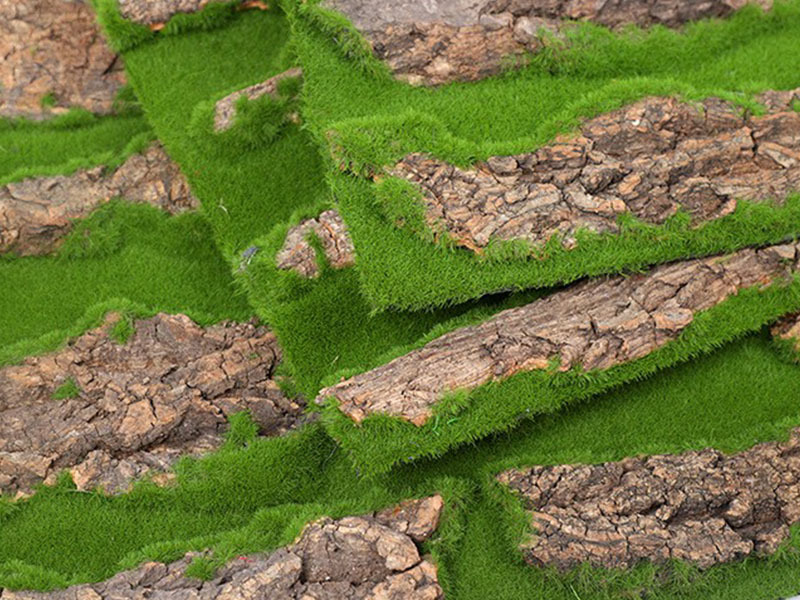
Performance advantages of simulated moss
No need for watering, pruning, or fertilization, saving labor and time costs. For example, using simulated moss walls in commercial places can reduce annual maintenance costs by 80%.
Strong weather resistance, unaffected by temperature and humidity, suitable for dry or humid environments.
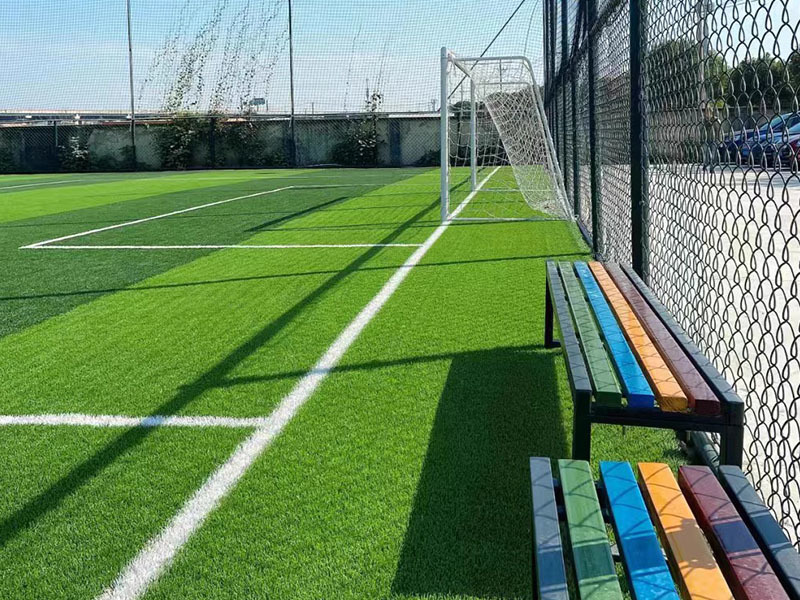
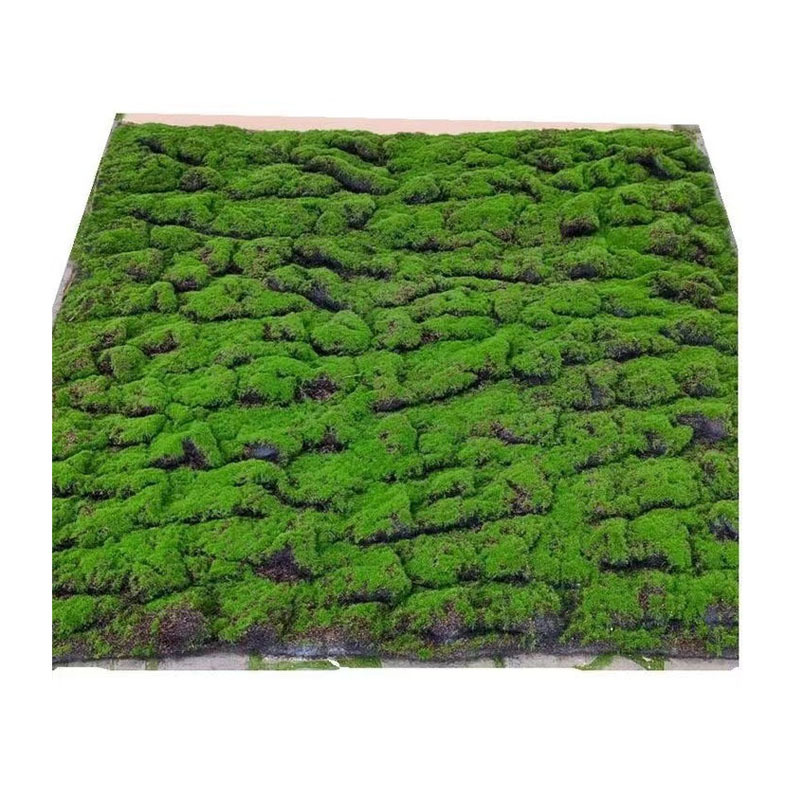


Committed to providing customers with high-quality artificial turf products and professional solutions.Covering all categories of artificial turf and artificial plants for sports, leisure and greening, we support OEM customization to meet diverse needs.