
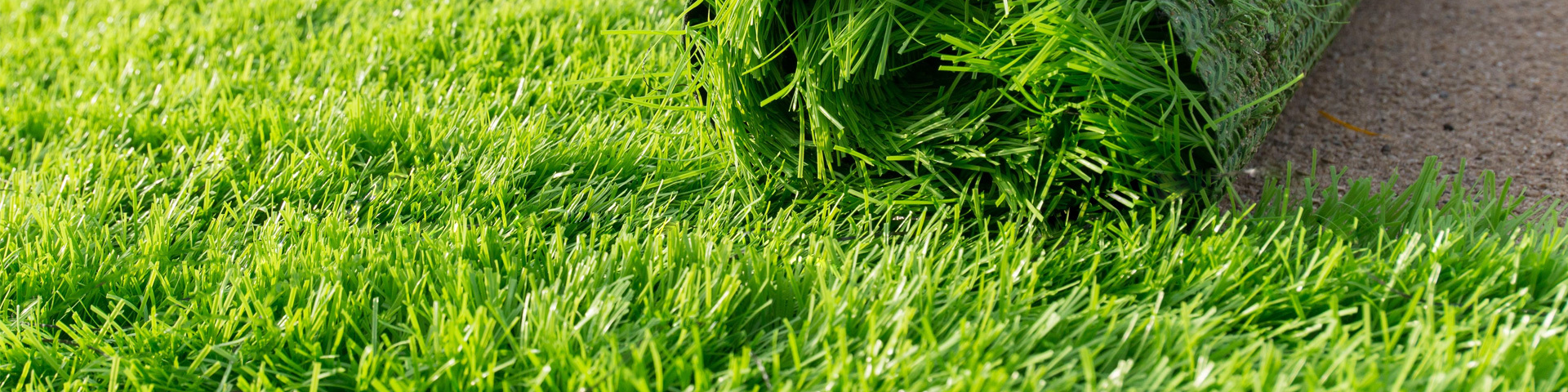
Enhancing Game Quality: The Role of Football Grass in Professional Sports
2026-02-01


Enhancing Game Quality: The Role of Football Grass in Professional Sports
The quality of the playing surface is fundamental to the success of any football game. As the sport has evolved, so too has the technology and science behind football grass. This article delves into how football grass significantly enhances game quality in professional sports, impacting performance, safety, and overall athlete satisfaction.
The Importance of Quality Grass in Football
Football grass serves as the foundation for the game, influencing every aspect of play from speed to player safety. High-quality turf can make a considerable difference in player performance and satisfaction during matches.
Understanding Football Grass Types
Football fields typically utilize two primary types of grass: natural grass and artificial turf. Each has its unique advantages and disadvantages.
Natural Grass: Pros and Cons
Natural grass fields provide a classic playing surface known for its aesthetic appeal and environmental benefits. However, they require extensive maintenance, including regular watering, mowing, and pest control. Weather conditions also play a crucial role, as heavy rains can lead to muddy and unplayable fields.
Artificial Turf: Pros and Cons
Artificial turf has gained popularity due to its durability and lower maintenance requirements. It offers consistent playing conditions year-round and minimizes the risk of weather-related disruptions. However, concerns regarding player safety and potential injuries associated with synthetic surfaces have sparked debate among athletes and coaches.
Player Performance and Grass Quality
The type and quality of grass directly affect player performance. Studies show that high-quality grass can enhance traction, allowing players to accelerate and change direction more effectively.
Grip and Traction on Different Surfaces
Grass quality impacts how players grip the field. Football players need a surface that provides adequate traction to prevent slips and falls. Poor-quality grass can lead to increased injuries, as players struggle to maintain their footing.
Movement Efficiency and Injury Prevention
Top-tier grass helps players maintain optimal movement efficiency, reducing the risk of common football injuries. When players are confident in their footing, their overall performance improves, leading to better game outcomes.
Maintenance Practices for Optimal Grass Quality
To ensure the highest game quality, regular maintenance of football grass is critical. Proper care not only enhances the aesthetic appeal of the field but also contributes to the longevity of the turf.
Soil Management and Aeration
Healthy soil is vital for the growth of quality grass. Aeration improves soil health by reducing compaction, allowing air, water, and nutrients to penetrate the roots. This practice leads to a robust, resilient playing surface.
Fertilization and Irrigation Techniques
Fertilization provides essential nutrients that promote grass growth, while effective irrigation ensures the grass receives adequate moisture. Both practices must be carefully timed to avoid over-watering or nutrient burn, which can damage the grass.
Technological Advances in Football Grass
Recent advancements in turf technology have revolutionized the way football grass is produced and maintained. Innovations in hybrid grass and smart irrigation systems help improve the quality and sustainability of football fields.
Hybrid Grass Solutions
Hybrid grass blends natural and synthetic fibers, offering the best of both worlds. This type of grass is designed to withstand heavy foot traffic and adverse weather conditions while providing a natural feel for players.
Smart Irrigation Systems
Smart irrigation technology allows for efficient water use, ensuring that grass receives the right amount of moisture without waste. Sensors can monitor soil moisture levels, which helps prevent over-irrigation and promotes healthier grass.
The Environmental Impact of Football Grass
The choice of football grass also influences environmental sustainability. Natural grass fields contribute to carbon sequestration and enhance local biodiversity, while artificial fields can impact local ecosystems if not managed properly.
Promoting Biodiversity Through Natural Grass
Natural grass surfaces can serve as habitats for various species, promoting biodiversity in the surrounding area. This ecological benefit can enhance community engagement and support local wildlife.
Recycling and Sustainability in Synthetic Turf
With an increasing focus on sustainability, many manufacturers are now producing recyclable artificial turf, addressing environmental concerns associated with synthetic surfaces. These innovations help reduce landfill waste and promote responsible disposal practices.
Case Studies: Successful Implementation of Quality Football Grass
Numerous professional sports teams have invested in high-quality grass to improve game performance and safety. Examining these case studies can provide insights into best practices and innovative solutions.
Case Study: Premier League Football Clubs
Several Premier League clubs have transitioned to hybrid grass systems, which has led to improved player satisfaction and performance. These clubs have reported fewer injuries and enhanced match-day experiences for both players and fans.
Case Study: International Football Tournaments
During major international tournaments, the quality of the grass can significantly influence the outcome of matches. Organizers have increasingly prioritized high-quality turf to ensure a fair playing surface and enhance the overall viewing experience.
Frequently Asked Questions
1. What type of grass is best for football fields?
The best grass type depends on geographic location and climate. Common options include Bermuda grass for warmer climates and Kentucky bluegrass for cooler regions.
2. How often should football grass be maintained?
Regular maintenance, including mowing, fertilizing, and aeration, should occur throughout the growing season, with frequency determined by grass type and environmental conditions.
3. What are the benefits of artificial turf over natural grass?
Artificial turf offers durability, reduced maintenance costs, consistent playing conditions, and fewer weather-related disruptions.
4. How can players prevent injuries on the field?
Players can reduce their injury risk by properly warming up, wearing appropriate footwear, and ensuring that the playing surface is well-maintained.
5. What advancements are being made in turf technology?
Recent advancements include hybrid grass solutions, smart irrigation systems, and developments in recyclable synthetic materials that promote sustainability.
Conclusion
Football grass plays an indispensable role in enhancing game quality in professional sports. By investing in high-quality turf, teams can improve player performance, reduce injury risks, and create more enjoyable experiences for fans. As technology continues to evolve, the future of football grass looks promising, paving the way for even greater advancements in player safety and environmental sustainability. Whether through natural or artificial solutions, the ongoing quest for better football grass will remain at the forefront of professional sports, driving excellence on and off the field.
TAG:
Related News
Performance advantages of simulated moss
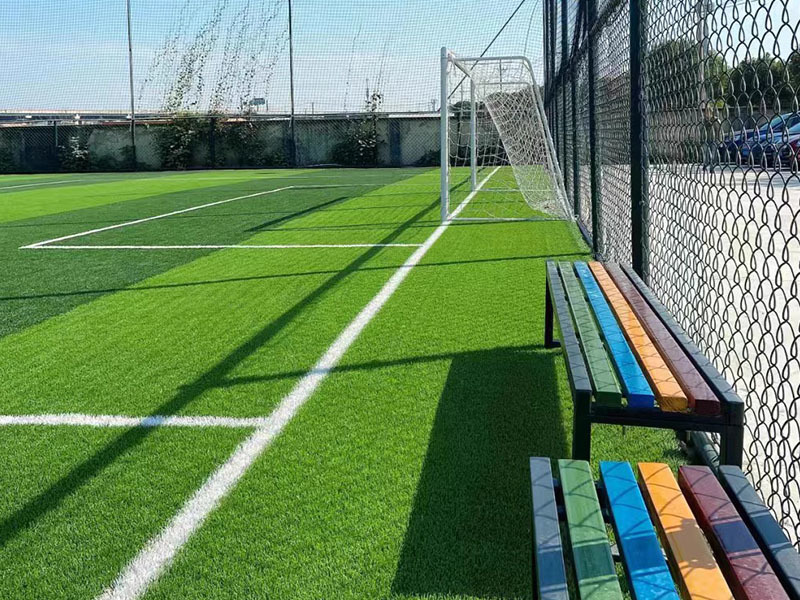


Committed to providing customers with high-quality artificial turf products and professional solutions.Covering all categories of artificial turf and artificial plants for sports, leisure and greening, we support OEM customization to meet diverse needs.