
The Benefits and Features of Synthetic Grass for Sports and Recreation
2026-02-06


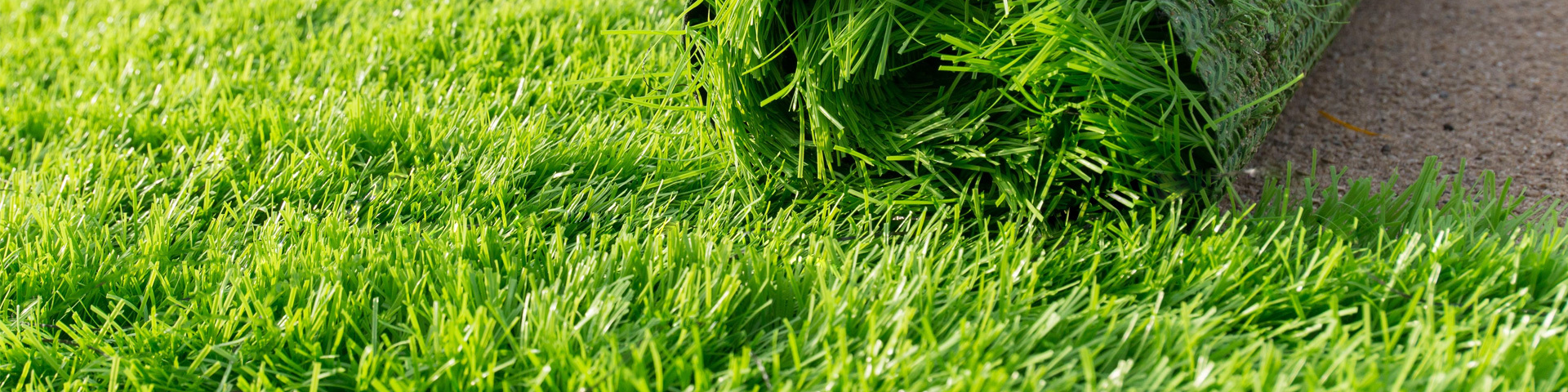
Synthetic grass, often referred to as artificial turf, has gained tremendous popularity in the realm of sports and recreation. Unlike natural grass, synthetic grass offers a multitude of benefits that cater to both athletes and casual users alike. This innovative material is meticulously engineered to mimic the appearance and feel of natural grass while providing enhanced durability and resilience
Synthetic grass, often referred to as artificial turf, has gained tremendous popularity in the realm of sports and recreation. Unlike natural grass, synthetic grass offers a multitude of benefits that cater to both athletes and casual users alike. This innovative material is meticulously engineered to mimic the appearance and feel of natural grass while providing enhanced durability and resilience.
One of the primary advantages of synthetic grass is its durability. Unlike natural grass, which can become damaged from heavy foot traffic, adverse weather conditions, or disease, synthetic grass is designed to withstand rigorous use. This makes it an ideal choice for sports fields, playgrounds, and recreational areas where wear and tear are common. The robust fibers can endure intense play, ensuring that surfaces remain uniform and safe for athletes year-round.
Moreover, synthetic grass requires significantly less maintenance than natural grass, making it a cost-effective solution for sports facilities and recreational spaces. Traditional lawns demand regular mowing, watering, fertilizing, and pest control, all of which can be time-consuming and costly. In contrast, synthetic grass only requires occasional brushing and rinsing to remove debris, ensuring that it remains clean and visually appealing. This low-maintenance aspect allows facility managers to redirect resources toward other operational needs, enhancing overall efficiency.
Another critical benefit of synthetic grass is its water conservation capabilities. With increasing awareness of environmental issues, synthetic grass presents a sustainable alternative to traditional lawns, which require extensive irrigation. By opting for synthetic grass, facilities can significantly reduce water usage, contributing to conservation efforts and lowering overall utility costs.
Safety is also a paramount consideration in sports and recreational environments. Synthetic grass is often designed with shock-absorbent layers that help reduce the risk of injuries during play. This characteristic is particularly important for sports fields, where players frequently experience falls and collisions. By providing a softer landing surface, synthetic grass can help minimize the impact of such incidents, promoting a safer playing environment for athletes.
Additionally, synthetic grass is available in various types, catering to different sports and activities. From football and soccer fields to tennis courts and playgrounds, there is a specialization in synthetic turf that suits the specific requirements of each sport. This versatility allows facility owners to create customized environments that enhance athletic performance while ensuring an enjoyable experience for participants of all ages.
In summary, the rise of synthetic grass in sports and recreation is fueled by its numerous benefits, including durability, low maintenance, water conservation, safety, and versatility. As more facilities recognize these advantages, the adoption of synthetic grass continues to grow, paving the way for innovative and sustainable athletic environments. Whether you're managing a sports complex or simply looking to enhance a recreational area, synthetic grass can provide a superior solution that meets the diverse needs of users.
One of the primary advantages of synthetic grass is its durability. Unlike natural grass, which can become damaged from heavy foot traffic, adverse weather conditions, or disease, synthetic grass is designed to withstand rigorous use. This makes it an ideal choice for sports fields, playgrounds, and recreational areas where wear and tear are common. The robust fibers can endure intense play, ensuring that surfaces remain uniform and safe for athletes year-round.
Moreover, synthetic grass requires significantly less maintenance than natural grass, making it a cost-effective solution for sports facilities and recreational spaces. Traditional lawns demand regular mowing, watering, fertilizing, and pest control, all of which can be time-consuming and costly. In contrast, synthetic grass only requires occasional brushing and rinsing to remove debris, ensuring that it remains clean and visually appealing. This low-maintenance aspect allows facility managers to redirect resources toward other operational needs, enhancing overall efficiency.
Another critical benefit of synthetic grass is its water conservation capabilities. With increasing awareness of environmental issues, synthetic grass presents a sustainable alternative to traditional lawns, which require extensive irrigation. By opting for synthetic grass, facilities can significantly reduce water usage, contributing to conservation efforts and lowering overall utility costs.
Safety is also a paramount consideration in sports and recreational environments. Synthetic grass is often designed with shock-absorbent layers that help reduce the risk of injuries during play. This characteristic is particularly important for sports fields, where players frequently experience falls and collisions. By providing a softer landing surface, synthetic grass can help minimize the impact of such incidents, promoting a safer playing environment for athletes.
Additionally, synthetic grass is available in various types, catering to different sports and activities. From football and soccer fields to tennis courts and playgrounds, there is a specialization in synthetic turf that suits the specific requirements of each sport. This versatility allows facility owners to create customized environments that enhance athletic performance while ensuring an enjoyable experience for participants of all ages.
In summary, the rise of synthetic grass in sports and recreation is fueled by its numerous benefits, including durability, low maintenance, water conservation, safety, and versatility. As more facilities recognize these advantages, the adoption of synthetic grass continues to grow, paving the way for innovative and sustainable athletic environments. Whether you're managing a sports complex or simply looking to enhance a recreational area, synthetic grass can provide a superior solution that meets the diverse needs of users.
TAG:
Related News
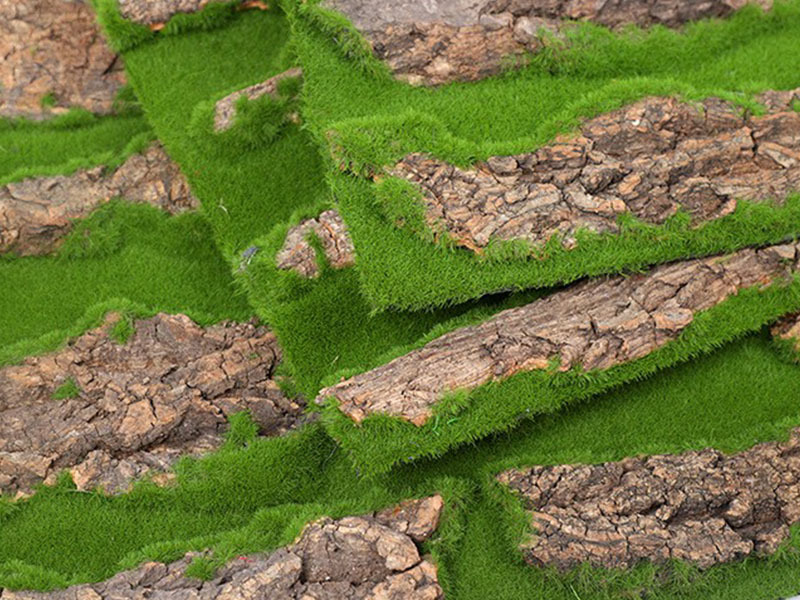
Performance advantages of simulated moss
No need for watering, pruning, or fertilization, saving labor and time costs. For example, using simulated moss walls in commercial places can reduce annual maintenance costs by 80%.
Strong weather resistance, unaffected by temperature and humidity, suitable for dry or humid environments.
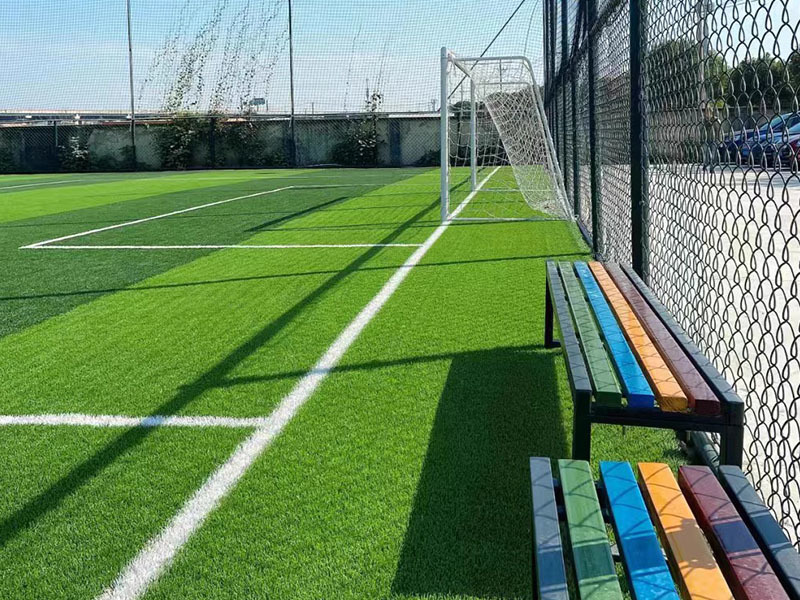


Committed to providing customers with high-quality artificial turf products and professional solutions.Covering all categories of artificial turf and artificial plants for sports, leisure and greening, we support OEM customization to meet diverse needs.