
The Benefits and Applications of Artificial Turf in Sports and Recreation
2026-10-02


---
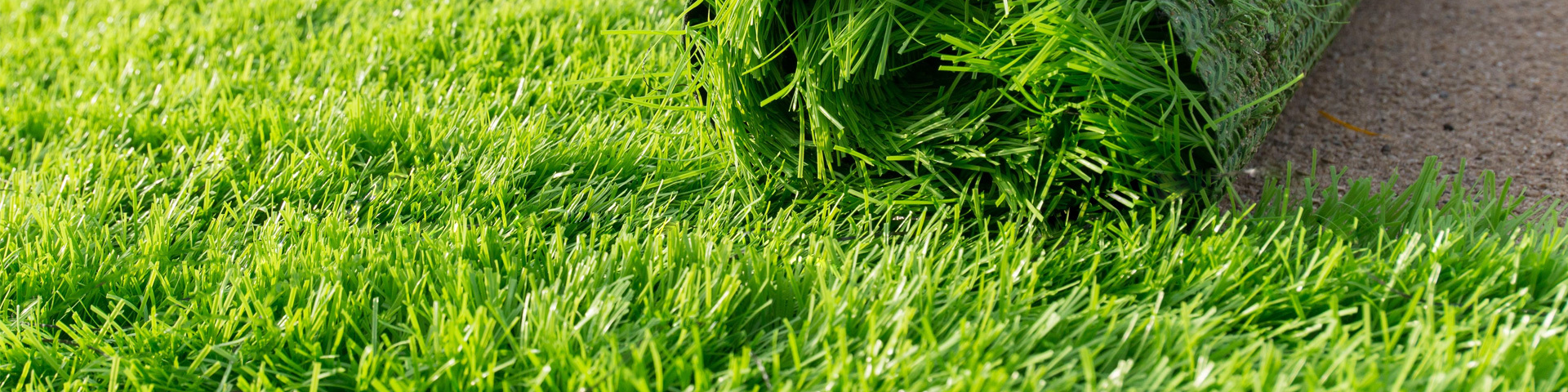
Artificial turf has gained significant traction in recent years, especially in the realm of sports and recreational activities. It is a surface made from synthetic fibers that mimic natural grass, providing a durable and consistent playing field for various athletic pursuits. Understanding the benefits and applications of artificial turf can be instrumental for professionals in the sports and
---
Artificial turf has gained significant traction in recent years, especially in the realm of sports and recreational activities. It is a surface made from synthetic fibers that mimic natural grass, providing a durable and consistent playing field for various athletic pursuits. Understanding the benefits and applications of artificial turf can be instrumental for professionals in the sports and fitness industry.
One of the primary advantages of artificial turf is its low maintenance requirement. Unlike natural grass, which demands regular watering, mowing, and fertilization, artificial turf is designed to withstand heavy use without the need for extensive upkeep. This makes it an ideal choice for facilities that host numerous sporting events or recreational activities, as it minimizes labor costs and allows for more playtime on the field.
Durability is another key feature of artificial turf. Whether it’s used for soccer, football, or even recreational activities like frisbee, synthetic surfaces are engineered to handle heavy foot traffic and adverse weather conditions. This resilience means that fields can be used year-round, regardless of the season, ensuring consistent play without the interruptions often associated with natural grass fields. Additionally, many artificial turf products are UV-resistant, preventing fading and degradation from sunlight.
Safety is a paramount concern in sports, and modern artificial turf is designed with this in mind. Many types of synthetic turf come with shock-absorbing properties that reduce the risk of injuries during play. The surfaces are engineered to provide adequate traction while minimizing the chances of slips and falls. Moreover, they are typically designed to drain quickly, reducing the risk of water accumulation that can lead to further hazards.
In terms of versatility, artificial turf can be used in a variety of settings. It is not limited to traditional sports fields; it can also be installed in parks, playgrounds, and even residential backyards. This adaptability allows for a wide range of recreational activities, making it a popular choice for communities looking to enhance their outdoor spaces.
Furthermore, artificial turf is increasingly recognized for its environmental benefits. It can significantly reduce the amount of water needed for maintenance and eliminate the need for harmful pesticides and fertilizers associated with natural grass upkeep. This makes it a more sustainable option for sports facilities aiming to reduce their ecological footprint.
In conclusion, artificial turf presents numerous advantages, making it an appealing choice for sports and recreational activities. Its low maintenance, durability, safety features, versatility, and environmental benefits contribute to its rising popularity in various applications. As professionals in the sports and fitness industry continue to explore innovative solutions for athletic spaces, artificial turf is undoubtedly a significant player in the landscape of modern sports facilities.
Artificial turf has gained significant traction in recent years, especially in the realm of sports and recreational activities. It is a surface made from synthetic fibers that mimic natural grass, providing a durable and consistent playing field for various athletic pursuits. Understanding the benefits and applications of artificial turf can be instrumental for professionals in the sports and fitness industry.
One of the primary advantages of artificial turf is its low maintenance requirement. Unlike natural grass, which demands regular watering, mowing, and fertilization, artificial turf is designed to withstand heavy use without the need for extensive upkeep. This makes it an ideal choice for facilities that host numerous sporting events or recreational activities, as it minimizes labor costs and allows for more playtime on the field.
Durability is another key feature of artificial turf. Whether it’s used for soccer, football, or even recreational activities like frisbee, synthetic surfaces are engineered to handle heavy foot traffic and adverse weather conditions. This resilience means that fields can be used year-round, regardless of the season, ensuring consistent play without the interruptions often associated with natural grass fields. Additionally, many artificial turf products are UV-resistant, preventing fading and degradation from sunlight.
Safety is a paramount concern in sports, and modern artificial turf is designed with this in mind. Many types of synthetic turf come with shock-absorbing properties that reduce the risk of injuries during play. The surfaces are engineered to provide adequate traction while minimizing the chances of slips and falls. Moreover, they are typically designed to drain quickly, reducing the risk of water accumulation that can lead to further hazards.
In terms of versatility, artificial turf can be used in a variety of settings. It is not limited to traditional sports fields; it can also be installed in parks, playgrounds, and even residential backyards. This adaptability allows for a wide range of recreational activities, making it a popular choice for communities looking to enhance their outdoor spaces.
Furthermore, artificial turf is increasingly recognized for its environmental benefits. It can significantly reduce the amount of water needed for maintenance and eliminate the need for harmful pesticides and fertilizers associated with natural grass upkeep. This makes it a more sustainable option for sports facilities aiming to reduce their ecological footprint.
In conclusion, artificial turf presents numerous advantages, making it an appealing choice for sports and recreational activities. Its low maintenance, durability, safety features, versatility, and environmental benefits contribute to its rising popularity in various applications. As professionals in the sports and fitness industry continue to explore innovative solutions for athletic spaces, artificial turf is undoubtedly a significant player in the landscape of modern sports facilities.
TAG:
Previous:
Related News
Performance advantages of simulated moss
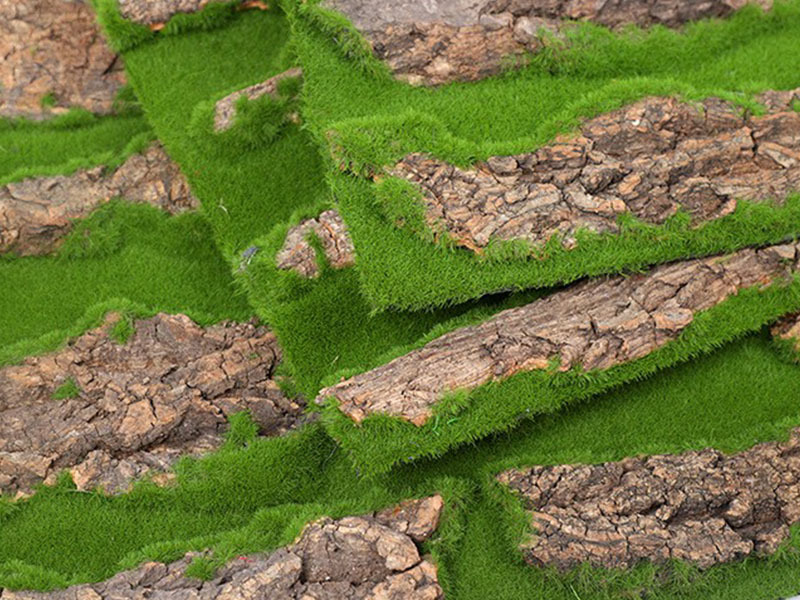
No need for watering, pruning, or fertilization, saving labor and time costs. For example, using simulated moss walls in commercial places can reduce annual maintenance costs by 80%.
Strong weather resistance, unaffected by temperature and humidity, suitable for dry or humid environments.
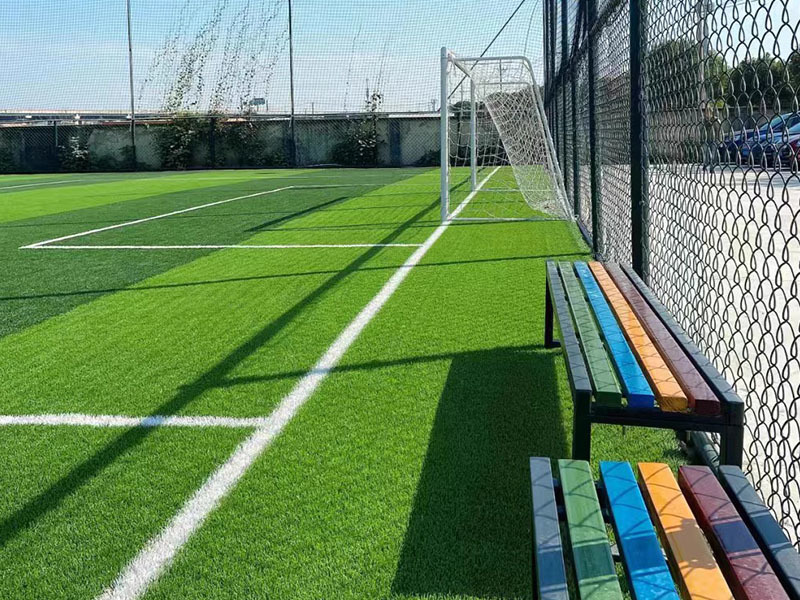

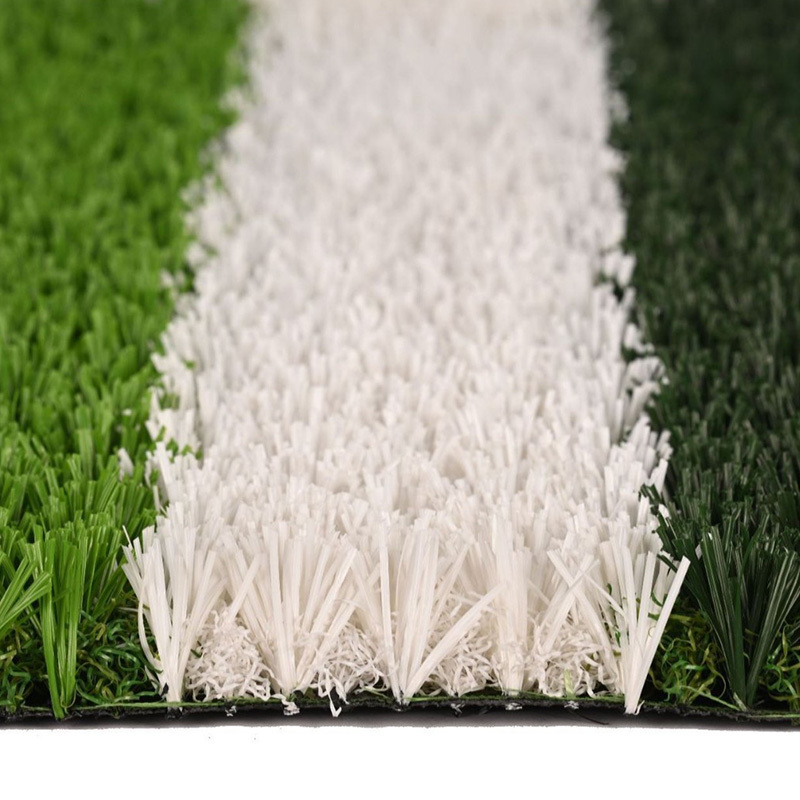

Committed to providing customers with high-quality artificial turf products and professional solutions.Covering all categories of artificial turf and artificial plants for sports, leisure and greening, we support OEM customization to meet diverse needs.