
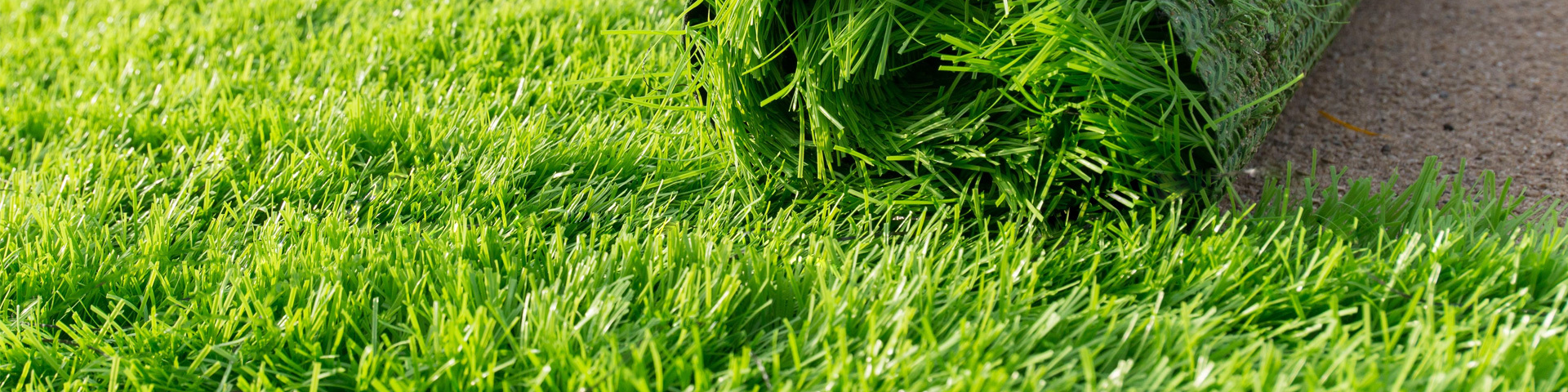
Why Choose Artificial Turf? Exploring the Benefits for Sports
2026-03-13


Why Choose Artificial Turf? Exploring the Benefits for Sports
Introduction to Artificial Turf in Sports
Artificial turf has revolutionized the landscape of sports facilities across the globe. Its ability to mimic natural grass while offering numerous advantages has made it a preferred choice for many stadiums, schools, and sports clubs. From football fields to soccer pitches, artificial turf provi
Why Choose Artificial Turf? Exploring the Benefits for Sports
Introduction to Artificial Turf in Sports
Artificial turf has revolutionized the landscape of sports facilities across the globe. Its ability to mimic natural grass while offering numerous advantages has made it a preferred choice for many stadiums, schools, and sports clubs. From football fields to soccer pitches, artificial turf provides a versatile playing surface that meets the demands of various sports. In this article, we will explore the multifaceted benefits of artificial turf, addressing why it stands out as the superior option for sports fields.
The Evolution of Artificial Turf Technology
Artificial turf has come a long way since its inception in the 1960s. Early versions were often stiff and abrasive, making them less appealing to athletes. However, advancements in technology have led to the development of softer, more resilient materials that closely mimic the playing characteristics of natural grass. Today’s artificial turf is engineered with advanced polymers and infill systems that enhance performance, player safety, and aesthetic appeal.
Understanding Different Types of Artificial Turf
Artificial turf is not a one-size-fits-all solution. Different types are designed to cater to various sports and usage conditions. The following are the most common types:
1. Nylon Turf
Nylon turf is known for its durability and resilience, making it ideal for high-impact sports such as football and rugby. However, it tends to be more expensive than other types.
2. Polyethylene Turf
As the most common type used today, polyethylene turf provides a softer feel and is less abrasive on the skin. It is suitable for a wide range of sports, including soccer and baseball.
3. Polypropylene Turf
Polypropylene turf is often used for indoor fields and training facilities. It is lightweight and less expensive, but it may not hold up as well under heavy foot traffic.
The Environmental Benefits of Artificial Turf
Choosing artificial turf is not just a matter of performance; it also has significant environmental implications. As water scarcity becomes a pressing issue in many regions, artificial turf offers a sustainable alternative to traditional grass fields.
Water Conservation
One of the most compelling advantages of artificial turf is its ability to conserve water. Natural grass fields require extensive irrigation, especially in arid climates. With artificial turf, the need for watering is virtually eliminated, leading to substantial water savings.
Pesticide and Herbicide Reduction
Maintaining natural grass often involves the use of chemical fertilizers, pesticides, and herbicides. These substances can be harmful to the environment and human health. Artificial turf does not require these chemicals, thereby reducing the potential for soil and water contamination.
Performance Advantages of Artificial Turf for Athletes
The impact of artificial turf on athletic performance is another crucial aspect to consider. Players experience several performance-related benefits when competing on artificial surfaces.
Consistent Playing Surface
One of the standout features of artificial turf is its ability to provide a consistent playing surface. Unlike natural grass, which can become uneven or muddy due to weather conditions, artificial turf maintains its quality regardless of the climate. This consistency enhances player performance and reduces the risk of injuries.
Improved Traction and Shock Absorption
Modern artificial turf systems are designed with advanced infill materials that provide excellent traction and shock absorption. This feature not only enhances athletic performance but also minimizes the risk of joint injuries, making it a safer option for athletes.
Cost-Effectiveness of Artificial Turf
While the initial investment in artificial turf can be higher than that of natural grass, the long-term financial benefits are significant.
Reduced Maintenance Costs
Natural grass fields require ongoing maintenance, including mowing, fertilizing, and pest control. In contrast, artificial turf necessitates minimal upkeep. Regular brushing, cleaning, and occasional infill replacement are usually sufficient, resulting in reduced labor and material costs.
Increased Field Usage
Artificial turf can withstand heavy usage without deteriorating, allowing sports facilities to host more events and activities. This increased usage translates into higher revenue potential for sports clubs and organizations.
Safety and Health Considerations
Player safety is paramount in any sports environment, and artificial turf is designed to address a variety of safety concerns.
Injury Prevention
With advancements in technology, modern artificial turf surfaces are engineered to minimize injury risks. The improved shock absorption provided by infill materials reduces the impact on players’ joints, thus lowering the likelihood of injuries.
Enhanced Visibility and Playability
Artificial turf often features bright, vibrant colors that enhance the visibility of markings and boundaries. This clarity can improve gameplay by allowing players, referees, and spectators to easily identify field lines and positions.
Common Misconceptions About Artificial Turf
Despite the many advantages, some misconceptions surrounding artificial turf persist. Addressing these myths can help sports organizations make informed decisions.
Myth: Artificial Turf Causes More Injuries
This myth has been debunked by numerous studies indicating that properly installed and maintained artificial turf fields can be just as safe, if not safer, than natural grass fields. The key lies in the quality of the turf and its installation.
Myth: Artificial Turf is Bad for the Environment
While early versions of artificial turf relied on non-recyclable materials, modern innovations focus on sustainable production processes and materials. Many artificial turf products now feature recyclable components, contributing to a more eco-friendly solution.
FAQs About Artificial Turf for Sports
1. How long does artificial turf last?
With proper maintenance, artificial turf can last anywhere from 10 to 15 years, depending on usage and environmental factors.
2. Is artificial turf safe for children and pets?
Yes, modern artificial turf is designed to be safe for children and pets. It is made with non-toxic materials and is often tested for safety standards.
3. Can artificial turf be used for multiple sports?
Absolutely! Many artificial turf fields are designed to accommodate multiple sports, making them versatile solutions for sports complexes and schools.
4. What maintenance does artificial turf require?
Artificial turf requires basic maintenance such as regular brushing, cleaning debris, and periodic infill replenishment to maintain its performance and appearance.
5. Does artificial turf get hot in the sun?
Yes, artificial turf can absorb heat, especially in direct sunlight. However, many manufacturers offer cooling technologies and infill materials that help mitigate heat retention.
Conclusion
Choosing artificial turf for sports facilities is a decision that offers numerous benefits, from enhanced performance and safety to long-term cost savings and environmental advantages. As technology continues to advance, artificial turf will only become more efficient and appealing. By considering the various factors discussed in this article, sports organizations can make informed choices that benefit athletes, the environment, and their bottom line. Whether you are a school, sports club, or facility manager, artificial turf presents a compelling case as the optimal solution for sports fields.
TAG:
Previous
Related News
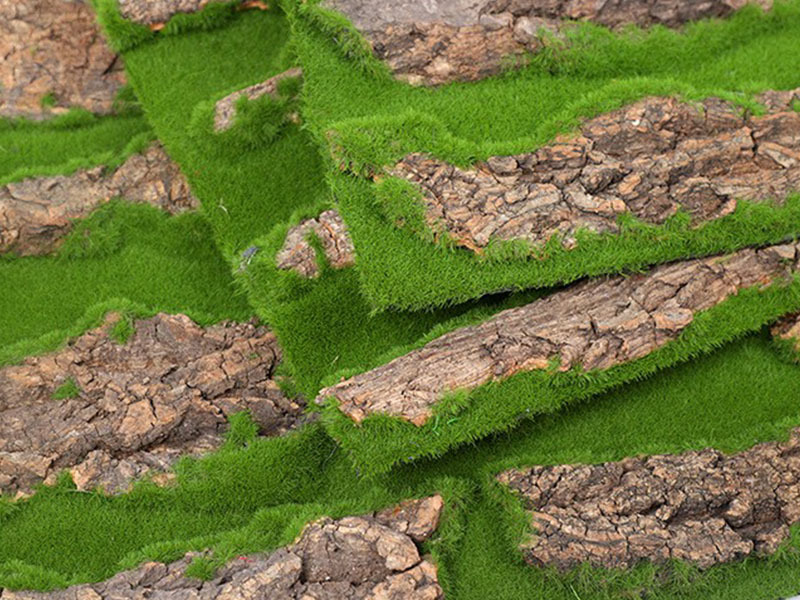
Performance advantages of simulated moss
No need for watering, pruning, or fertilization, saving labor and time costs. For example, using simulated moss walls in commercial places can reduce annual maintenance costs by 80%.
Strong weather resistance, unaffected by temperature and humidity, suitable for dry or humid environments.
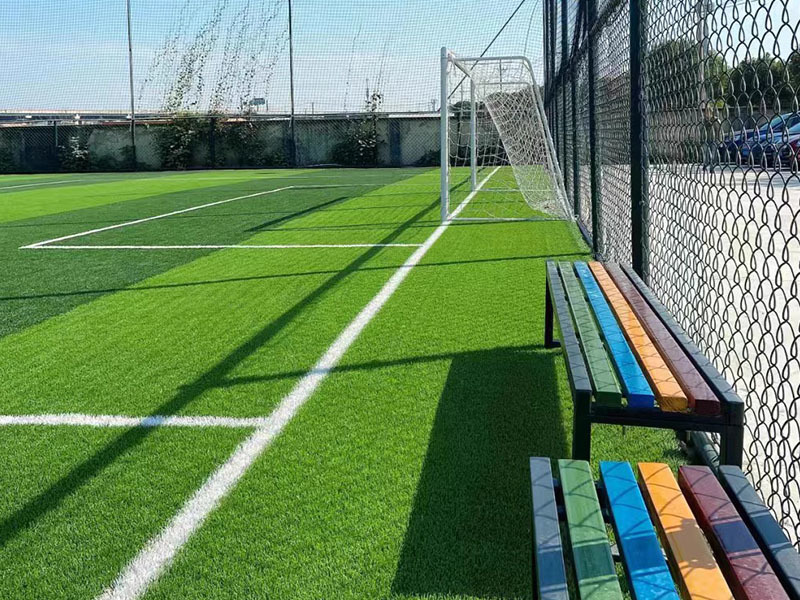


Committed to providing customers with high-quality artificial turf products and professional solutions.Covering all categories of artificial turf and artificial plants for sports, leisure and greening, we support OEM customization to meet diverse needs.