
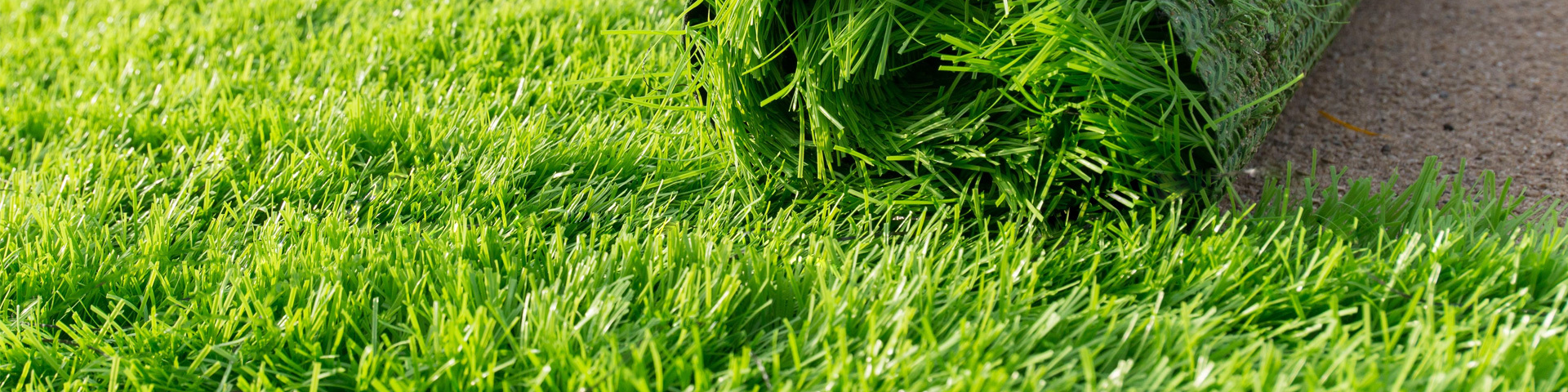
Exploring the Advantages of Synthetic Grass for Sports and Recreation
2026-06-06


Synthetic grass, often referred to as artificial turf, has gained substantial traction in the sports and recreation industries for its unique advantages over natural grass. As athletes and recreational enthusiasts alike seek optimal playing conditions, synthetic grass emerges as a prime solution. Understanding its benefits can help organizations and individuals make informed decisions regarding th
Synthetic grass, often referred to as artificial turf, has gained substantial traction in the sports and recreation industries for its unique advantages over natural grass. As athletes and recreational enthusiasts alike seek optimal playing conditions, synthetic grass emerges as a prime solution. Understanding its benefits can help organizations and individuals make informed decisions regarding their sports surfaces.
One of the most significant advantages of synthetic grass is its low maintenance requirement. Unlike natural grass, which necessitates regular mowing, watering, and fertilizing, synthetic turf remains lush and vibrant with minimal upkeep. This feature not only saves time but also reduces long-term maintenance costs, making it an economically viable option for sports facilities and recreational areas.
Durability is another crucial aspect of synthetic grass. Designed to withstand the rigors of frequent use, it maintains its integrity and appearance longer than natural grass, which can become patchy or worn out over time. This resilience means that fields can accommodate more events and activities without the need for extensive repairs or replacement. Additionally, synthetic grass is resistant to various weather conditions, ensuring that playing surfaces remain usable year-round regardless of the climate.
Safety is a paramount concern in sports and recreational activities. Synthetic grass provides a consistent playing surface that minimizes the risk of injuries. Unlike natural grass, which can become uneven or muddy, synthetic turf offers stable footing, reducing the chances of slips and falls during play. Many synthetic grass products also incorporate advanced shock-absorbing technologies, further enhancing player safety by mitigating the impact on joints.
Furthermore, synthetic grass is environmentally friendly. It eliminates the need for harmful pesticides and fertilizers, which can contaminate local water sources. Additionally, advancements in technology allow for the production of eco-friendly synthetic grass options, made from recyclable materials. This commitment to sustainability makes synthetic grass an appealing choice for environmentally conscious organizations and individuals.
The versatility of synthetic grass extends beyond traditional sports fields. It can be utilized in various recreational settings, including parks, playgrounds, and residential backyards. This adaptability allows families and communities to create safe and enjoyable spaces for leisure activities, all while enjoying the aesthetic appeal of a naturally green landscape.
In summary, synthetic grass offers numerous advantages for sports and recreation, including low maintenance, durability, enhanced safety, and environmental benefits. As the demand for high-quality, reliable playing surfaces continues to rise, synthetic grass stands out as an excellent choice for both organizations and individuals looking to improve their athletic and recreational environments.
One of the most significant advantages of synthetic grass is its low maintenance requirement. Unlike natural grass, which necessitates regular mowing, watering, and fertilizing, synthetic turf remains lush and vibrant with minimal upkeep. This feature not only saves time but also reduces long-term maintenance costs, making it an economically viable option for sports facilities and recreational areas.
Durability is another crucial aspect of synthetic grass. Designed to withstand the rigors of frequent use, it maintains its integrity and appearance longer than natural grass, which can become patchy or worn out over time. This resilience means that fields can accommodate more events and activities without the need for extensive repairs or replacement. Additionally, synthetic grass is resistant to various weather conditions, ensuring that playing surfaces remain usable year-round regardless of the climate.
Safety is a paramount concern in sports and recreational activities. Synthetic grass provides a consistent playing surface that minimizes the risk of injuries. Unlike natural grass, which can become uneven or muddy, synthetic turf offers stable footing, reducing the chances of slips and falls during play. Many synthetic grass products also incorporate advanced shock-absorbing technologies, further enhancing player safety by mitigating the impact on joints.
Furthermore, synthetic grass is environmentally friendly. It eliminates the need for harmful pesticides and fertilizers, which can contaminate local water sources. Additionally, advancements in technology allow for the production of eco-friendly synthetic grass options, made from recyclable materials. This commitment to sustainability makes synthetic grass an appealing choice for environmentally conscious organizations and individuals.
The versatility of synthetic grass extends beyond traditional sports fields. It can be utilized in various recreational settings, including parks, playgrounds, and residential backyards. This adaptability allows families and communities to create safe and enjoyable spaces for leisure activities, all while enjoying the aesthetic appeal of a naturally green landscape.
In summary, synthetic grass offers numerous advantages for sports and recreation, including low maintenance, durability, enhanced safety, and environmental benefits. As the demand for high-quality, reliable playing surfaces continues to rise, synthetic grass stands out as an excellent choice for both organizations and individuals looking to improve their athletic and recreational environments.
TAG:
Related News
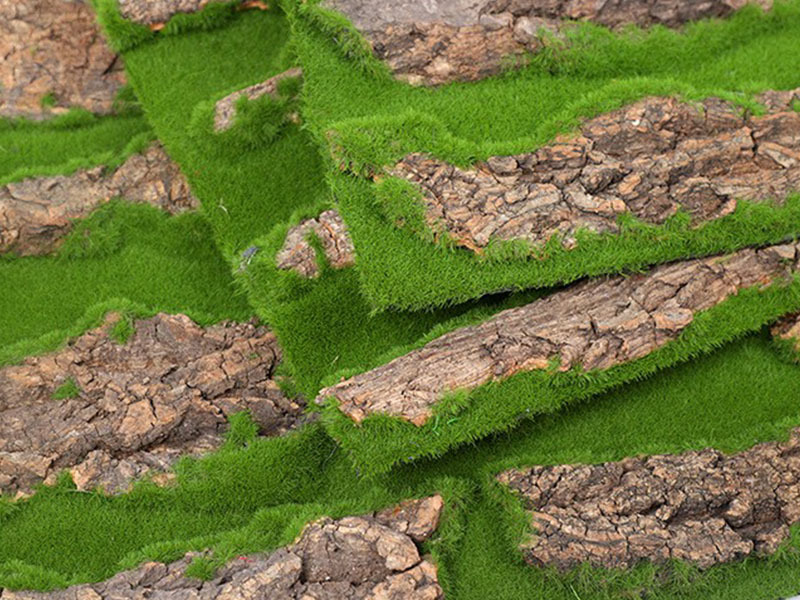
Performance advantages of simulated moss
No need for watering, pruning, or fertilization, saving labor and time costs. For example, using simulated moss walls in commercial places can reduce annual maintenance costs by 80%.
Strong weather resistance, unaffected by temperature and humidity, suitable for dry or humid environments.
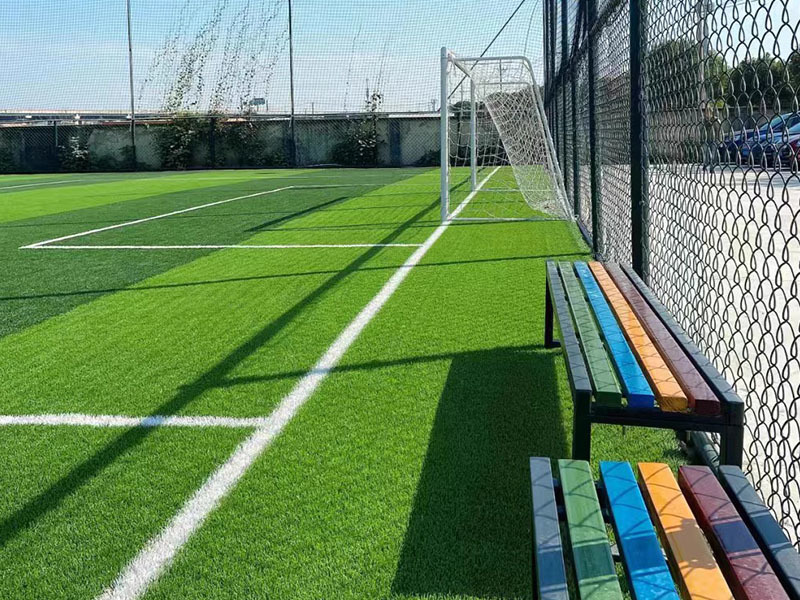


Committed to providing customers with high-quality artificial turf products and professional solutions.Covering all categories of artificial turf and artificial plants for sports, leisure and greening, we support OEM customization to meet diverse needs.