
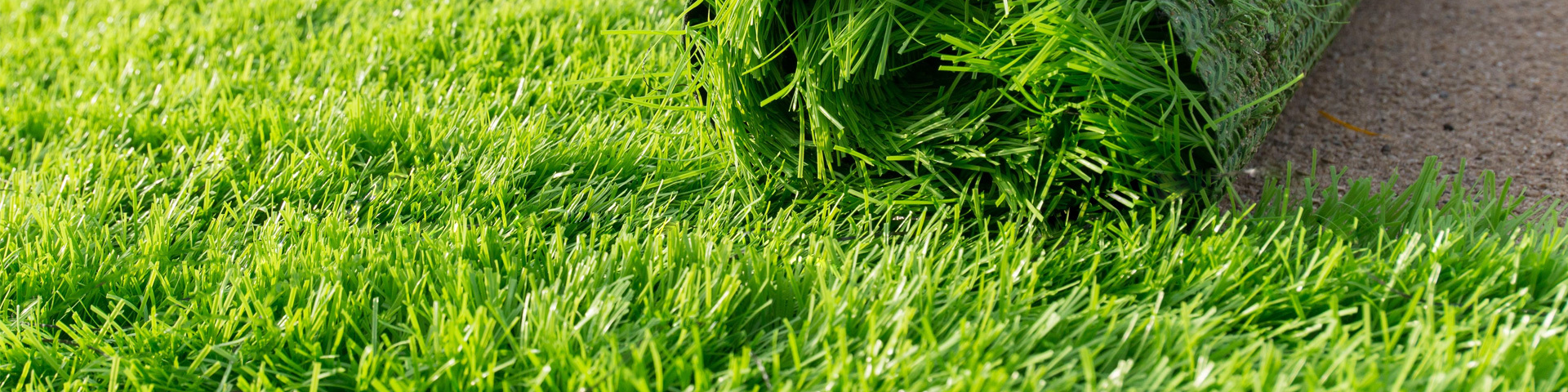
Artificial Turf vs. Natural Grass: Which is Best for Your Game?
2026-06-11


Artificial Turf vs. Natural Grass: Which is Best for Your Game?
When it comes to selecting the best playing surface for sports, the debate between artificial turf and natural grass continues to spark discussions among athletes, coaches, and facility managers. Each option presents unique qualities that can significantly influence gameplay, maintenance, and overall athlete experience. In this article, we delve into the various aspects of both surfaces to help you make an informed choice tailored to your needs.
Table of Contents
- Understanding Artificial Turf
- The Benefits of Natural Grass
- Comparative Analysis: Gameplay Experience
- Maintenance and Longevity Considerations
- Environmental Impact of Turf Options
- Cost Analysis: Initial Investment and Long-Term Expenses
- Safety Considerations for Athletes
- Making the Right Choice for Your Sport
- FAQs
Understanding Artificial Turf
Artificial turf has evolved significantly since its inception in the 1960s. Originally designed for athletic fields, today’s synthetic turf systems are engineered for optimal performance. These surfaces are made of a variety of materials, primarily polyethylene or polypropylene, and are designed to mimic the look and feel of natural grass.
The primary advantage of artificial turf lies in its durability and resilience. Unlike natural grass, which can suffer from wear and tear, especially during intense games, artificial turf can withstand heavy use without significant damage. This makes it a popular choice for multi-sport facilities that require versatile and reliable surfaces.
The Benefits of Natural Grass
Natural grass presents a host of benefits that appeal to many players and organizations. Aside from its classic aesthetic appeal, natural grass offers a softer playing surface, which can reduce the risk of certain injuries. Additionally, it provides better drainage, ensuring that fields remain playable during inclement weather.
Moreover, natural grass contributes positively to the environment. It absorbs carbon dioxide, releases oxygen, and helps in temperature regulation. This aspect is increasingly important as communities seek sustainable solutions for their sports facilities.
Comparative Analysis: Gameplay Experience
The gameplay experience on artificial turf versus natural grass can vary widely. Players often report that artificial surfaces provide a consistent playing environment, which can enhance ball control and predictability in movements. However, some athletes argue that natural grass offers a more authentic feel that is particularly preferred for sports like soccer and rugby.
In terms of traction, artificial turf can offer enhanced grip due to its engineered fibers. Yet, the risk of slipping can increase in wet conditions when dealing with natural grass. On the flip side, while natural grass can become muddy and slippery, it generally offers better cushioning and shock absorption.
Maintenance and Longevity Considerations
One of the most significant differences between artificial turf and natural grass is the level of maintenance required. Artificial turf is designed to be low-maintenance, requiring basic cleaning and occasional infill replacement. It does not require mowing, watering, or fertilization, making it particularly appealing for organizations with limited resources for field upkeep.
In contrast, natural grass necessitates regular maintenance, including mowing, watering, and fertilization. This can lead to increased labor costs and time investments, particularly during the growing season. However, properly maintained natural grass fields can last for many years and provide a high-quality playing surface.
Environmental Impact of Turf Options
When assessing the environmental impact, natural grass generally has the upper hand. It helps in biodiversity, provides habitats for local wildlife, and contributes to air quality by absorbing pollutants. Moreover, grass has natural cooling properties and can reduce the urban heat island effect.
On the contrary, artificial turf can present environmental challenges. The production of synthetic materials involves significant energy consumption, while disposal can lead to landfill issues as these materials are not biodegradable. However, advancements in recycling processes for old turf are being developed, which may mitigate some of these concerns.
Cost Analysis: Initial Investment and Long-Term Expenses
When considering the cost, the initial investment for artificial turf is considerably higher than for natural grass. Installation costs for synthetic fields can range from $500,000 to $1 million, depending on the size and complexity of the project. However, the long-term savings associated with lower maintenance costs can make artificial turf more economically viable over time.
Natural grass, while cheaper to install (typically ranging from $50,000 to $200,000), can incur higher long-term expenses due to maintenance needs. Organizations must weigh these initial versus ongoing costs to determine which option aligns better with their budget and operational capabilities.
Safety Considerations for Athletes
Player safety is paramount in any sporting environment. It’s essential to analyze the safety implications of both surfaces. Studies have indicated that while artificial turf can be designed to minimize injuries, athletes may face a higher risk of certain injuries, such as abrasions or turf burn.
On the other hand, natural grass tends to be more forgiving during falls and can absorb impact better due to its softer surface. However, poorly maintained natural fields can pose hazards, such as uneven surfaces and mud, which can lead to slips and injuries. Ensuring that either surface is well-maintained is crucial for player safety.
Making the Right Choice for Your Sport
The decision between artificial turf and natural grass ultimately depends on various factors, including the type of sport, climate, budget, and facility usage. For high-impact sports that require frequent use, such as football or soccer, artificial turf may be more suitable. Conversely, if aesthetics and environmental impact are priorities, natural grass might be the preferred choice.
Additionally, local weather patterns and seasonal changes can significantly affect the playing surface. In regions with harsh winters or extreme heat, artificial turf can provide a consistent playing surface year-round, while natural grass may struggle under these conditions.
FAQs
1. How long does artificial turf last?
Typically, high-quality artificial turf can last between 8 to 15 years, depending on usage and maintenance.
2. Is natural grass more eco-friendly than artificial turf?
Yes, natural grass provides numerous environmental benefits, such as improved air quality and habitat support, while artificial turf has challenges related to production and disposal.
3. Can you play on artificial turf in the rain?
Yes, artificial turf is designed for drainage, allowing for play during light rain, though heavy rain may cause temporary cancellations due to water accumulation.
4. What are the injury risks associated with artificial turf?
While artificial turf can reduce certain injuries, it may increase others, such as turf burns and abrasions. It's crucial to maintain proper safety protocols and field conditions.
5. How much does it cost to maintain natural grass?
The annual maintenance costs for natural grass can vary widely based on location and usage but generally range from $10,000 to $30,000 depending on factors such as mowing, watering, and fertilization needs.
Conclusion
Choosing between artificial turf and natural grass involves careful consideration of various factors, including gameplay experience, maintenance requirements, environmental impact, and cost. Each surface has its unique attributes, offering distinct advantages and disadvantages. By weighing these elements and aligning them with your specific needs and goals, you can make an informed decision that enhances the sporting experience for players and fans alike. Whether you opt for the durability of artificial turf or the ecological benefits of natural grass, ensuring a quality playing surface is essential for fostering athletic excellence.
TAG:
Related News
Performance advantages of simulated moss


Committed to providing customers with high-quality artificial turf products and professional solutions.Covering all categories of artificial turf and artificial plants for sports, leisure and greening, we support OEM customization to meet diverse needs.